
Routine is the key to unlocking naturally healthy and glowing skin. By consistently incorporating simple yet effective practices into your daily life, you can enhance your skin’s radiance and vitality. Prioritize hydration, a balanced diet rich in antioxidants, and quality sleep, as these elements work synergistically to combat premature aging and environmental stressors. Furthermore, adopting a tailored skincare routine that includes gentle cleansing and sun protection can help you achieve that coveted luminous complexion. Start today and experience the transformation!
Key Takeaways:
- Maintain a consistent skincare routine tailored to your skin type.
- Incorporate a balanced diet rich in antioxidants, vitamins, and hydration.
- Prioritize adequate sleep and manage stress for overall skin health.
The Importance of a Consistent Skincare Routine
A consistent skincare routine is fundamental for achieving naturally healthy and glowing skin. Skincare is not a one-time effort but rather requires daily commitment. This routine helps to address specific skin concerns, maintain hydration, and enhance your skin’s overall appearance. Additionally, consistency amplifies the effectiveness of the products used, leading to more visible and lasting results over time.
Understanding Your Skin Type
Identifying your skin type—be it oily, dry, combination, or sensitive—is imperative for tailoring a routine that works best for you. Skin type influences how products perform and which ingredients will be most beneficial. For example, oily skin might benefit from lightweight, oil-free moisturizers, while dry skin requires richer formulations to lock in moisture.
Key Steps in Daily Skincare
Incorporating key steps into your daily skincare regimen is vital for optimal skin health. These foundational steps include cleansing, toning, moisturizing, and applying sunscreen. Each step plays a role in removing impurities, balancing skin pH, hydrating, and protecting your skin from environmental aggressors.
Start with a gentle cleanser to remove dirt and makeup without stripping away imperative oils. Follow up with a toner to restore your skin’s pH balance and prep it for better absorption of subsequent products. A lightweight moisturizer hydrates and nourishes your skin, while a broad-spectrum sunscreen protects against harmful UV rays. Implementing these steps each morning and night, consistently, is key to transforming your skin’s texture and radiance.
Nutrition for Radiant Skin
Your skin’s appearance is greatly influenced by what you consume daily. A balanced diet rich in whole foods, fruits, and vegetables supplies crucial nutrients that support skin health. Consuming foods high in antioxidants, like berries and leafy greens, combats oxidative stress and promotes a natural glow. Omega-3 fatty acids, found in fish and flaxseed, help maintain skin elasticity and hydration. Incorporating a variety of colors on your plate not only enhances your overall health but also directly reflects in the vibrance of your skin.
Essential Vitamins and Minerals
Vitamins A, C, and E, along with minerals such as zinc and selenium, play significant roles in maintaining skin health. Vitamin C is vital for collagen production, which keeps your skin firm and youthful. Similarly, zinc helps manage oil production and supports wound healing. Incorporate sources like citrus fruits, nuts, and seeds into your diet to bolster these crucial nutrients and empower your skin from within.
Hydration and Its Impact
Staying properly hydrated is fundamental for maintaining healthy skin. Water helps flush out toxins, supports elasticity, and gives your skin a plump, vibrant appearance. Dehydration can lead to dryness and fine lines, diminishing your skin’s natural glow. Aim for at least 8-10 glasses of water daily and consider incorporating hydrating foods like cucumbers and watermelon to enhance your intake. Your skin’s texture and resilience will greatly benefit from these hydration efforts.
Inadequate hydration can lead to a host of skin issues. Studies show that even mild dehydration may increase the appearance of dryness and flakiness. By prioritizing hydration, you facilitate better circulation and nutrient delivery to your skin cells. This not only helps your skin look more youthful but also aids in its ability to repair itself. Setting reminders to drink water or carrying a reusable bottle can ensure you meet your hydration goals effortlessly, transforming your skin over time into a healthy canvas that radiates vitality.
Natural Ingredients for Glowing Skin
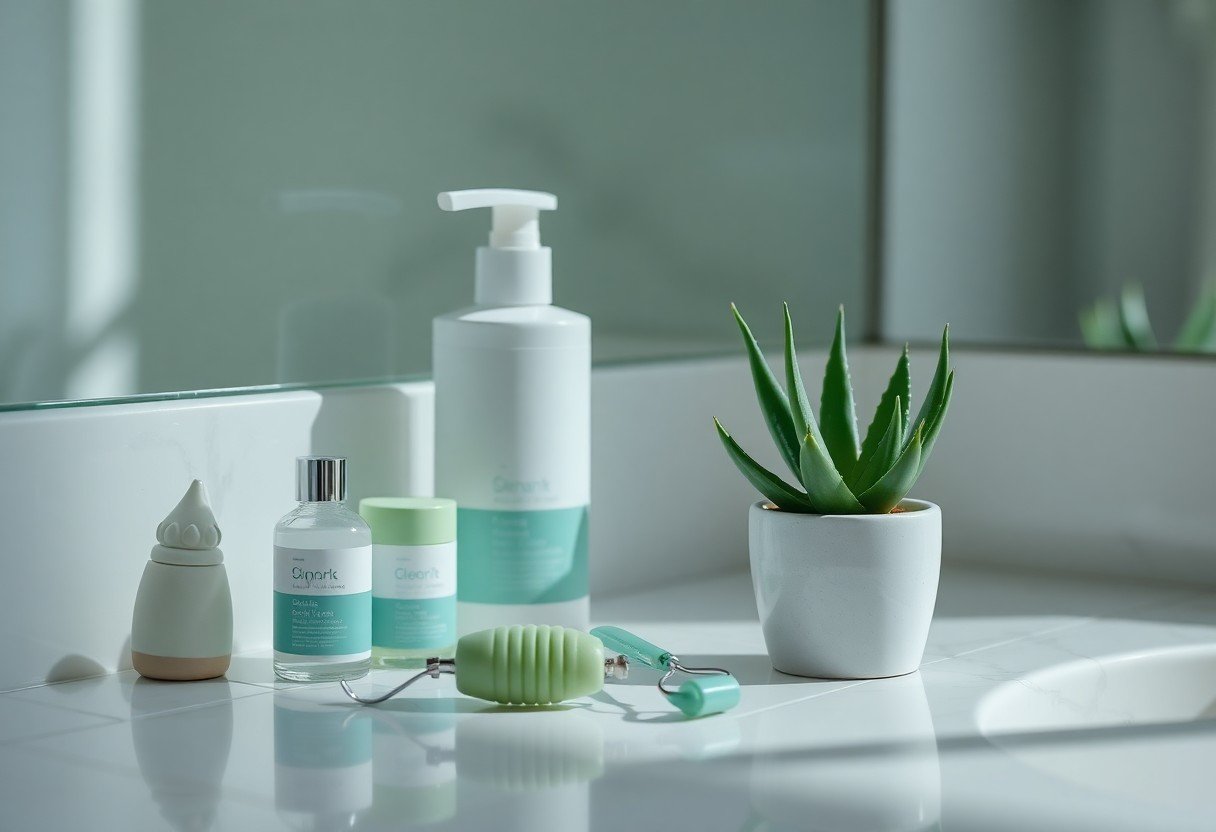
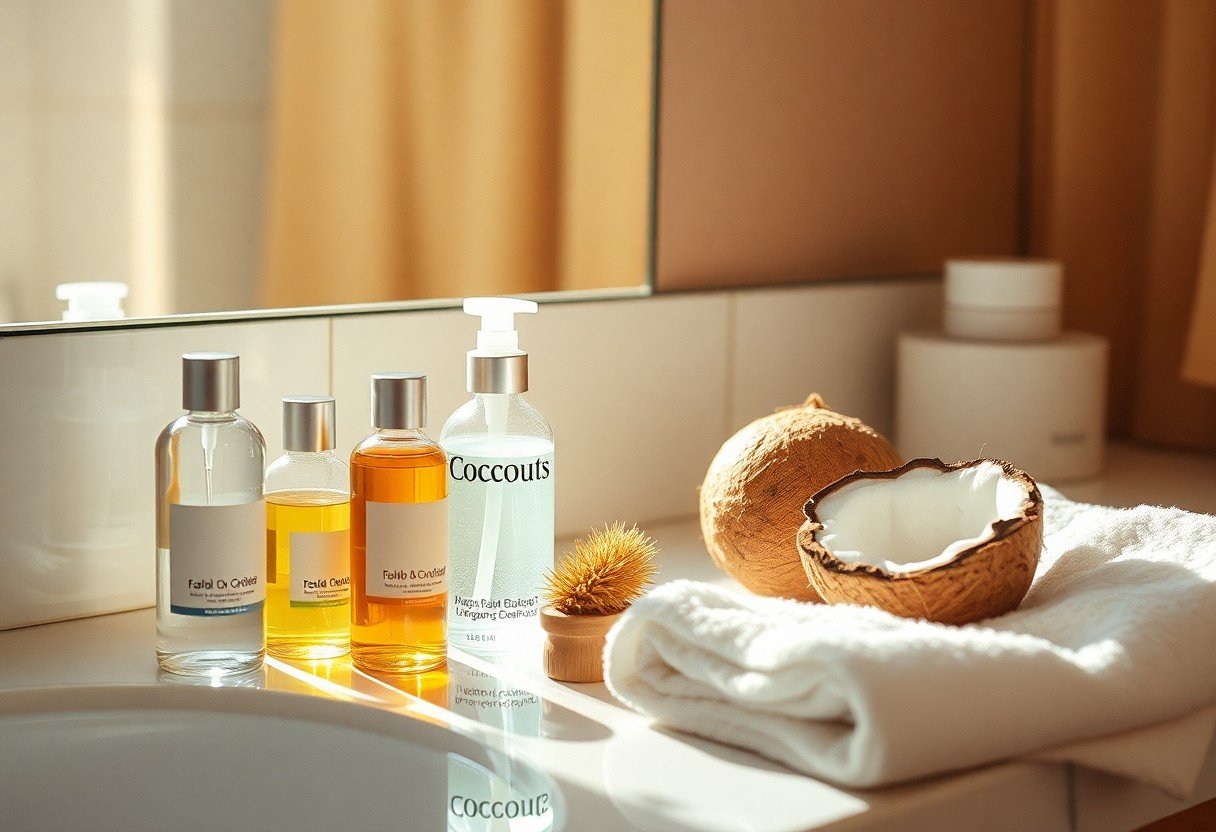
Incorporating natural ingredients into your skincare routine can significantly enhance your skin’s health and radiance. Elements like aloe vera, honey, and coconut oil offer moisturizing, healing, and antibacterial properties that support a vibrant complexion. Substituting your conventional products with these nature-derived options not only nourishes your skin but also minimizes exposure to harmful chemicals. Infusing these ingredients into your regimen ensures that your skin reaps the benefits of nature’s best.
Top Essential Oils
Essential oils are potent allies in your quest for glowing skin. Oils like lavender, tea tree, and frankincense provide unique benefits, from calming irritation to reducing blemishes. For instance, tea tree oil’s antimicrobial properties can help keep your complexion clear, while frankincense oil promotes cellular regeneration, giving your skin a more youthful appearance.
Effective Home Remedies
Utilizing effective home remedies can bring visible improvements to your skin’s texture and glow. Simple mixtures like a honey and lemon mask can hydrate while brightening pigmentation, while a yogurt and turmeric paste combats inflammation and enhances overall tone. These accessible ingredients enable you to create personalized treatments based on your specific skin needs.
Research suggests that ingredients commonly found in your kitchen can be as effective as commercial products. For example, a study highlighted that honey not only moisturizes but also possesses antibacterial properties, making it ideal for acne-prone skin. Additionally, regular use of an exfoliating mixture of sugar and olive oil can reveal brighter skin by sloughing away dead cells. You can easily customize remedies to target your specific concerns by blending ingredients that work well for your skin type, ensuring optimal results without resorting to chemical-laden products.
The Role of Lifestyle Choices
Your daily lifestyle choices have a profound impact on your skin health. Factors such as diet, exercise, stress management, and sleep all work in tandem to enhance skin vitality. Making informed decisions, like opting for nutrient-dense foods and incorporating physical activity, contributes to a more youthful and radiant glow. Moreover, keeping your lifestyle balanced can help mitigate skin issues, making it crucial to understand how each aspect plays a part in your skin’s overall appearance.
Stress Management Techniques
Managing stress effectively is vital for maintaining healthy skin. Chronic stress can lead to elevated cortisol levels, resulting in increased oil production and potential breakouts. Techniques such as deep breathing, yoga, and mindfulness can help lower stress levels, promoting a calm state that allows your skin to thrive. Incorporating these practices into your daily routine can significantly improve not only your mental health but also your skin’s texture and tone.
The Importance of Sleep
Quality sleep is crucial for your skin’s rejuvenation and repair. When you sleep, your body goes into repair mode, allowing for cell regeneration and detoxification. Insufficient rest, on the other hand, can lead to dullness, dark circles, and increased signs of aging. Aim for 7-9 hours of uninterrupted sleep each night to help your skin recover from daily stressors and maintain its natural glow. Establishing a calming bedtime routine can further enhance sleep quality, supporting both your skin and overall health.
During sleep, your body produces collagen, a protein vital for skin elasticity and structure. Studies indicate that skin undergoes its most intensive healing processes during deep sleep phases. Notably, poor sleep can increase the hormone cortisol, leading to inflammation and exacerbating skin conditions like acne or eczema. Prioritizing restful sleep not only combats signs of aging but also prevents skin issues associated with stress and fatigue. By cultivating a consistent sleep schedule, you can harness the restorative powers of sleep and keep your skin looking healthy and vibrant.
Protecting Your Skin
To maintain optimal skin health, protecting your skin from external aggressors plays a vital role. This includes shielding your skin from environmental factors such as UV rays, pollution, and harsh chemicals that can wreak havoc on its appearance and overall health. A consistent protection routine not only helps prevent damage but also promotes a radiant, youthful glow.
Sun Protection Strategies
Implementing effective sun protection is important for your skin’s health. Use a broad-spectrum sunscreen with an SPF of at least 30, applying it generously and reapplying every two hours, especially during prolonged sun exposure. Wearing protective clothing, such as long sleeves and wide-brimmed hats, along with seeking shade during peak sun hours further enhances your defense against harmful UV radiation.
Avoiding Harmful Ingredients
Being mindful of the ingredients in your skincare products can significantly enhance your skin’s well-being. Avoid using products that contain harsh chemicals like parabens, sulfates, and synthetic fragrances. Instead, opt for natural ingredients and look for product labels that indicate ‘no harmful chemicals’ to prevent irritation and allergic reactions.
Avoiding harmful ingredients is about prioritizing your skin’s long-term health. For instance, parabens, commonly used as preservatives, have been linked to hormone disruption, which could lead to skin issues. Sulfates can strip important oils, leading to dryness and irritation. By choosing products with ingredients like aloe vera or jojoba oil, you promote hydration and nourishment instead. Always read labels thoroughly, as many products can deceptively market themselves as ‘natural’ while still containing harmful additives.
Monitoring and Adjusting Your Routine
Regularly assessing your skincare routine ensures it meets your evolving needs. Track how your skin reacts to various products and environmental factors. If you notice dryness or irritation, consider simplifying your regimen or incorporating hydrating elements. Maintain a journal or app for notes, helping you identify patterns and make informed adjustments when necessary.
Recognizing Skin Changes
Being aware of changes in your skin is imperative for maintaining its health. Look for signs like increased sensitivity, unexpected breakouts, or changes in texture. These fluctuations may signal that your current routine needs adjustment or that a new product may not be suitable for you. Early recognition can prevent further issues.
When to Consult a Professional
Seek professional advice if you experience persistent skin issues that don’t improve with at-home care. Conditions such as severe acne, eczema flare-ups, or unusual moles require expert evaluation. Skincare professionals can offer targeted treatments and clarify whether a dermatologist visit is necessary.
Consulting a professional is vital for skin conditions that worsen despite your efforts. For instance, if you have acne that is resistant to topical treatments or experience rashes that persist for weeks, a dermatologist can provide specialized insights. They may diagnose underlying issues and recommend prescription-strength products or treatments not available over-the-counter. Taking swift action can prevent further skin damage and improve overall skin health.
Summing up
To wrap up, adopting a secret routine for naturally healthy and glowing skin involves consistent hydration, balanced nutrition, and diligent skincare practices tailored to your unique needs. By incorporating natural ingredients and maintaining a regular regimen, you can enhance your skin’s appearance over time. Prioritize sun protection and adequate rest, as these factors significantly contribute to your skin’s vitality. Ultimately, with dedication and the right techniques, you can achieve the luminous complexion you desire.
FAQ
Q: What are the important steps in a routine for healthy skin?
A: The important steps include cleansing, exfoliating, moisturizing, and applying sunscreen. Cleansing removes impurities, exfoliating eliminates dead skin cells, moisturizing hydrates, and sunscreen protects against UV damage.
Q: How often should I exfoliate my skin?
A: Exfoliation frequency depends on skin type. Generally, 1-3 times a week is sufficient for most skin types, while sensitive skin may benefit from less frequent exfoliation to avoid irritation.
Q: What ingredients should I look for in a moisturizer?
A: Look for ingredients such as hyaluronic acid for hydration, glycerin for moisture retention, and ceramides for barrier support. These ingredients help maintain skin hydration and overall health.
Q: Why is sunscreen important for skin health?
A: Sunscreen protects against harmful UV rays that can cause premature aging, sunburn, and skin cancer. Daily application helps maintain youthful skin and prevents discoloration.
Q: Can diet influence my skin’s appearance?
A: Yes, a balanced diet rich in fruits, vegetables, healthy fats, and plenty of water can improve skin health. Nutrients like vitamins C and E, omega-3 fatty acids, and antioxidants contribute to a glowing complexion.