
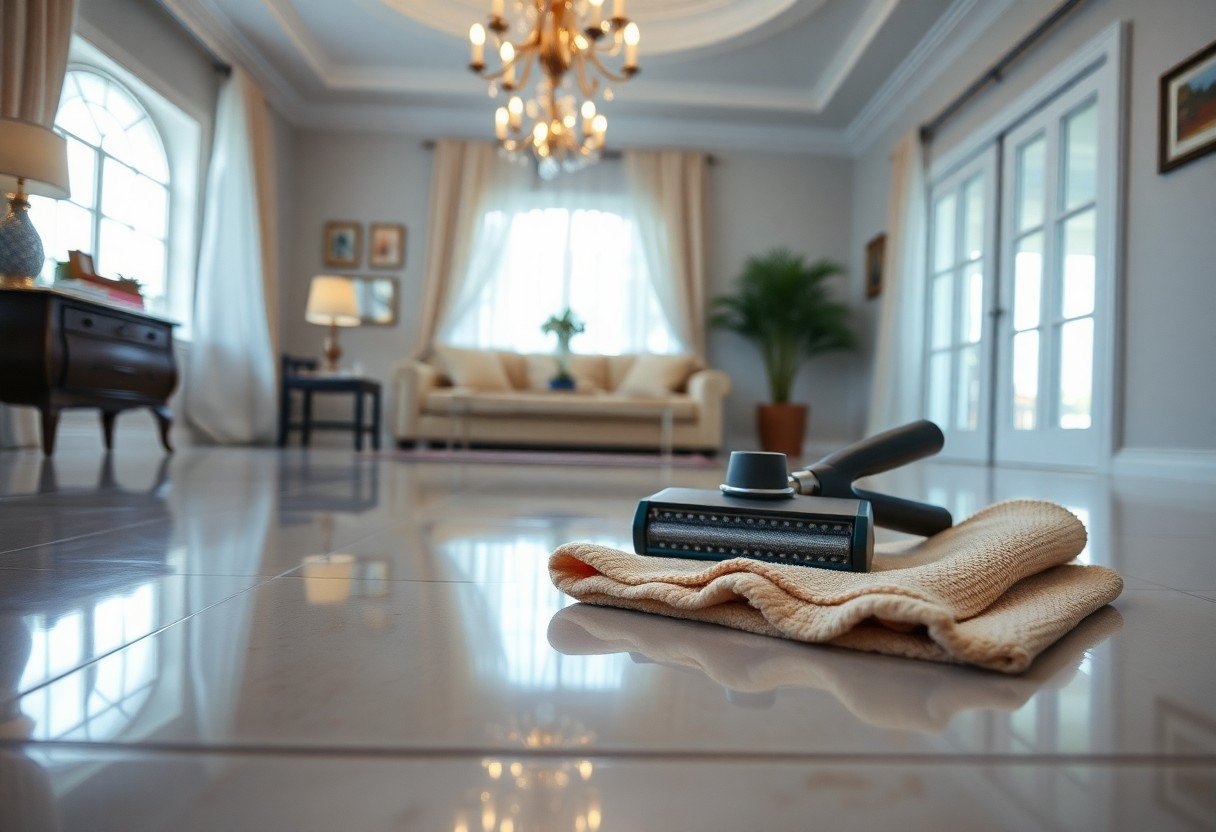
Polishing your floors not only enhances their appearance but also extends their lifespan, making your home more inviting. Regular floor polishing removes dirt, scratches, and stains, ensuring your surfaces look brand new. Additionally, it protects against wear and tear, leading to significant cost savings on repairs or replacements over time. By investing in this important maintenance, you contribute to a healthier living environment by reducing allergens and improving indoor air quality. Embrace floor polishing as a key element in keeping your home aesthetically pleasing and well-maintained.
Key Takeaways:
- Floor polishing enhances the shine and appearance of surfaces, giving them a new look.
- Regular polishing protects floors from scratches and wear, extending their lifespan.
- It improves indoor air quality by removing dust and allergens trapped in the flooring materials.
Benefits of Floor Polishing
Floor polishing offers numerous advantages that go beyond aesthetic enhancement. By investing in this process, you can improve your home’s overall value and comfort. Regular polishing prevents dirt buildup, keeps your floors looking pristine, and minimizes the need for expensive repairs or replacements. The long-term benefits make polishing an vital part of any home maintenance routine.
Enhances Aesthetic Appeal
You’ll notice an immediate difference in your space after floor polishing. A shiny, well-maintained floor creates a welcoming atmosphere, reflecting light and making your rooms feel brighter and more spacious. The gleam not only shows that you care about your home but also creates a sophisticated look that can impress guests and potential buyers alike.
Increases Durability
Polishing your floors significantly enhances their durability. By applying a protective coating, you safeguard against common hazards like spills, scratches, and daily wear and tear. This protective barrier can extend the life of your flooring material, enabling it to withstand high traffic areas and resist damage over time.
By professionally polishing hardwood or tile surfaces, you can reduce the likelihood of needing expensive replacements. Research shows that polished floors can last up to 10-20 years longer than unpolished ones, thanks to their enhanced resistance to damage. Regular maintenance, combined with polishing, ensures your floors stay strong against elements like moisture and abrasion, ultimately resulting in fewer repairs and a sustained beautiful appearance.
Types of Flooring Suitable for Polishing
- Hardwood Floors
- Tile Floors
- Marble Floors
- Vinyl Floors
- Laminate Floors
Assume that choosing the right type of flooring for polishing can significantly impact the aesthetic and longevity of your surfaces.
| Type of Flooring | Polishing Benefit |
| Hardwood Floors | Enhances natural grain and shine |
| Tile Floors | Restores gloss and removes stains |
| Marble Floors | Deepens color and luster |
| Vinyl Floors | Improves durability and appearance |
| Laminate Floors | Refreshes look and adds protection |
Hardwood Floors
Polishing your hardwood floors brings out their rich, natural beauty while providing a protective layer against wear. Regular polishing helps to eliminate scratches and dullness, rejuvenating the wood’s luster. You can expect improved longevity and enhanced aesthetics, making your space feel warm and inviting once more.
Tile and Marble Floors
Polished tile and marble floors not only shine but also help in repelling dirt and stains. A good polish can effectively restore their original beauty, ensuring they remain a centerpiece in any room. Over time, you might notice significant improvements in both appearance and hygiene with regularly maintained surfaces.
Furthermore, the right polishing technique for tile and marble floors can significantly enhance their resilience. A professional polish often includes the use of specialized diamond pads that grind and refine the surface, restoring it to near-new conditions. Regular maintenance not only preserves their finish but also reduces the likelihood of buildup from spills and foot traffic, ensuring your floors remain both stunning and functional for years to come.
The Floor Polishing Process
Preparation and Cleaning
Before you begin the polishing process, proper preparation and cleaning are necessary. Start by removing all furniture and debris from the floor. Sweep and vacuum thoroughly to eliminate dust and dirt, as any particles left behind can cause scratches during polishing. For deeper cleaning, use a suitable floor cleaner and a damp mop to ensure the surface is spotless. Allow the floor to dry completely before moving on to the polishing stage to achieve optimal results.
Polishing Techniques
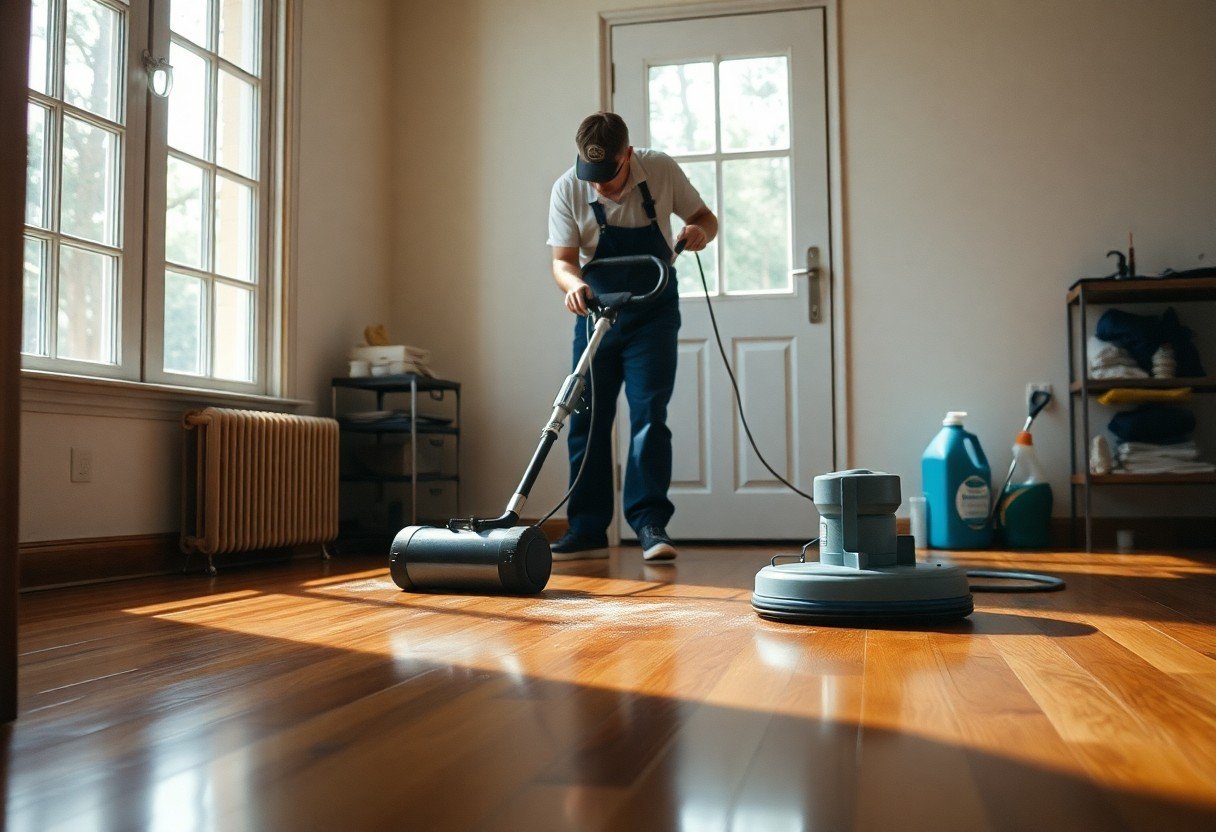
Polishing involves specific techniques to achieve a desirable shine. You can choose between buffering and burnishing methods, depending on your floor type. Low-speed buffers are great for applying polish, while high-speed burnishers deliver that glass-like finish. Different floor materials may require different types of polish, so it’s vital to select a product suited for your flooring. You should also consider using a diamond-impregnated pad for enhanced durability, especially in high-traffic areas.
When using “buffering,” you’ll typically employ a machine equipped with a rotating pad that distributes polish evenly across the surface. This method is ideal for softer floors, allowing for a gentle, thorough application that prepares your floor for a protective layer. With “burnishing,” the high-speed rotary pads create heat, melting the polish for an even smoother and shinier surface. An example is with hardwood floors, where combining both methods results in a rich, warm glow that masks minor scratches and enhances color. Select the technique that best suits your floor’s condition and desired outcome to maximize effectiveness.
Choosing the Right Polishing Products
Selecting the right polishing products is crucial for achieving optimal results. You need to consider factors such as your flooring type, specific stains and wear patterns, and the finish you desire. High-quality, specialized products tailored for your floor material will yield the best outcomes. Look for items that provide durability and a shine that aligns with your aesthetic preferences, whether that’s a high-gloss or matte finish.
Professional vs. DIY Products
Professional-grade polishing products often deliver superior results compared to DIY options, which may lack the strength and effectiveness necessary for thorough cleaning and shine. If you choose a DIY path, it’s vital to select products that are proven and recommended for household use to ensure you don’t compromise the integrity of your floors.
Eco-Friendly Options
Eco-friendly polishing products are increasingly popular as more homeowners seek sustainable solutions. Look for products that are biodegradable and free from toxic chemicals, ensuring a safer environment for both your family and pets.
Many eco-friendly options now utilize natural ingredients, such as plant-based solvents and waxes, which can still provide excellent shine and protection. Brands like Bona and Method offer floor care products that meet these environmental standards without sacrificing performance. In addition to protecting the planet, these products minimize irritants and allergens in your home, contributing to a healthier indoor atmosphere. By choosing eco-friendly products, you not only care for your floors but also support sustainable manufacturing practices.
Maintenance Tips for Polished Floors
Keeping your polished floors in pristine condition requires regular care and attention. Implementing a few simple maintenance tips can prolong their shine and durability, enhancing the overall aesthetics of your space. Focus on the following strategies:
- Regular cleaning to remove dirt and debris
- Immediate spill cleanup to prevent stains
- Use of mats at entry points to reduce wear
- Periodic re-polishing to maintain shine
Assume that each time you follow these steps, you’re significantly extending the life of your polished floors.
Regular Cleaning Routines
Implement a daily cleaning routine to keep your polished floors looking their best. Use a soft broom or dust mop to remove dirt and dust buildup, followed by a damp mop with a pH-neutral cleaner. Avoid using harsh chemicals that can dull the finish. Regularly scheduled cleaning not only enhances the appearance of your floors but also prevents buildup that may necessitate more intensive maintenance down the line.
Protection Against Scratches
Protecting your polished floors from scratches is vital to maintain their lustrous finish. Place felt pads under furniture legs and avoid dragging items across the surface. Additionally, consider using area rugs in high-traffic areas to shield the floor from potential damage. You can also encourage family members and guests to remove shoes before entering to minimize unwanted scuffing.
Moreover, invest in high-quality mats for entryways to capture dirt and debris before they reach your floors. You can also periodically assess the condition of your floor finish and consider applying a protective coating if you notice signs of wear. Preventing scratches not only keeps your floors visually appealing but also reduces the frequency and expense of professional polishing services.
Common Myths About Floor Polishing
Floor polishing is often surrounded by various myths that can deter homeowners from maintaining their floors effectively. Many people believe that polishing is unnecessary or even harmful, leading to misconceptions that can affect your floors’ appearance and longevity. It’s important to separate fact from fiction to make informed decisions about your flooring care.
Misconceptions About Damage
One prevalent myth suggests that floor polishing can damage your floors. In reality, when done correctly, polishing enhances your floor’s protective layer, preserving its surface. Many homeowners fear that polishing will make their floors slippery; however, professional-grade products provide a safe non-slip finish. Your floors can maintain their beauty without risking damage or safety.
Understanding the Longevity of Polish
The longevity of polish depends on several factors, including foot traffic, the type of finish, and environmental conditions. Generally, a high-quality polish can last anywhere from six months to a year under normal usage. Regular maintenance, such as cleaning and reapplying polish when needed, ensures your floors remain protected and visually appealing. For instance, in commercial settings with heavy foot traffic, more frequent polishing may be necessary compared to residential spaces. Ultimately, understanding these factors allows you to schedule timely maintenance and enjoy long-lasting, beautiful floors.
Summing up
Summing up, floor polishing plays a vital role in maintaining the aesthetic appeal of your home. By regularly polishing your floors, you not only enhance their shine but also protect them from wear and tear, ensuring they look new for longer. This simple maintenance task can remove scratches and stains, making your living environment more inviting. Investing time in floor polishing reflects positively on your home’s overall upkeep, offering a polished look that elevates your space and creates a welcoming atmosphere for you and your guests.
FAQ
Q: What is floor polishing?
A: Floor polishing is a process that involves using specialized machines and polishing compounds to enhance the shine and finish of hard surface floors, such as hardwood, tile, or concrete. This process helps remove scratches and stains while restoring the floor’s original luster.
Q: How often should I polish my floors?
A: The frequency of floor polishing depends on the level of foot traffic and the type of flooring. Generally, residential floors benefit from polishing every 6 to 12 months to maintain their appearance and prolong their lifespan.
Q: What are the benefits of floor polishing?
A: Floor polishing enhances the aesthetic appeal of a home, providing a high-gloss finish. It also protects floors from damage, reduces the accumulation of dirt, and makes cleaning easier. Polished floors can improve indoor air quality by minimizing allergens.
Q: Can I polish my floors myself, or should I hire a professional?
A: While DIY floor polishing is possible, hiring a professional is often recommended. Professionals have access to advanced equipment and expertise, ensuring a more effective and high-quality finish that may not be achievable through DIY methods.
Q: Are there any specific products I should use for floor polishing?
A: It is crucial to use products specifically designed for your type of flooring. For example, use hardwood floor polish for hardwood surfaces and specific tile or concrete polishes for those materials. Always follow manufacturer guidelines for the best results.