
It’s vital to address laptop overheating promptly to avoid permanent damage and maintain optimal performance. In just 10 minutes, you can implement effective solutions to cool down your device and prevent future issues. This guide provides straightforward methods that you can use at home, ensuring that your laptop runs efficiently and securely. Follow these steps to enhance your laptop’s longevity and keep it in top condition.
Key Takeaways:
- Clean air vents and fans consistently to remove dust buildup.
- Use a cooling pad or elevate the laptop for better airflow.
- Adjust power settings to optimize temperature management.
Clean Air Vents
Use Compressed Air
To effectively clean air vents, utilize a can of compressed air. Hold the can upright and use short bursts directed at the vents. This will dislodge dust and debris that may be obstructing airflow, significantly improving your laptop’s cooling efficiency.
Remove Dust Buildup
Dust accumulation can severely hinder your laptop’s performance by blocking vital ventilation. Regularly inspect and remove any dust from the air vents using appropriate tools. This simple maintenance task can prevent overheating and extend the device’s lifespan.
To remove dust buildup, start by powering down your laptop and unplugging it. Use a soft brush or microfiber cloth to cautiously clear dust from the vents. Focus on areas with visible grime, ensuring you apply minimal pressure to avoid potential damage. For a thorough clean, consider disassembling the laptop to access internal components, but take necessary precautions as this can void warranties. Keeping your laptop dust-free will lead to better airflow and efficient cooling performance.
Use Cooling Pad
Using a cooling pad is an effective way to reduce your laptop’s temperature quickly. These devices provide additional fans that help dissipate heat, allowing your laptop to operate at a more efficient temperature range.
Elevate Laptop Position
By elevating your laptop’s position, you create space for heat to escape. This simple adjustment prevents the bottom surface from overheating, improving overall cooling efficiency. Aim for an incline that keeps your screen at eye level for added ergonomic benefits.
Enhance Airflow
Improving airflow around your laptop is crucial for effective cooling. Ensure that the vents are unobstructed by placing the laptop on a flat surface and keeping the area around it clear of dust and debris. A well-ventilated environment allows for optimal performance.
Investing in a cooling pad not only enhances airflow but also protects delicate internal components from the risks associated with overheating. The additional fans draw in fresh air, while simultaneously expelling hot air, creating a continuous flow that helps maintain lower temperatures. Regularly cleaning both the cooling pad and your laptop’s vents will further enhance this airflow, ensuring a longer, healthier lifespan for your device.
Manage Workload
Close Unused Applications
To reduce overheating, close any unused applications running in the background. Every application consumes system resources, and when too many are open simultaneously, your laptop’s processor works harder, generating excess heat. Make a habit of periodically checking and shutting down applications that you don’t actively use to keep your device cool.
Monitor CPU Usage
Monitoring your CPU usage helps identify applications or processes that heavily tax your system. You can track this using built-in tools like Task Manager or Activity Monitor. By keeping an eye on CPU performance, you can adjust your workload to prevent overheating.
If you notice a specific application consistently showing high CPU usage, consider terminating it or seeking alternatives. This not only enhances your laptop’s performance but also prolongs its lifespan. Use monitoring tools frequently to gauge performance and adjust your usage habits accordingly. Staying proactive about CPU load will significantly contribute to managing overheating issues effectively.
Check Fan Function
Listen for Noise
Check the fan’s operation by listening for unusual noises. If you hear grinding or whirring sounds, it may indicate that dust accumulation is affecting its performance. A noisy fan can struggle to cool your laptop, leading to overheating.
Test with Software
Utilize software to monitor your laptop’s fan speed and temperature. Applications like HWMonitor or SpeedFan can provide real-time data on how effectively your fan is operating and if it’s functioning within normal parameters.
With software tools, you can identify if your fan speed is below optimal levels, which may signify a malfunction. You can also observe temperature patterns to determine if overheating occurs during specific activities, suggesting a need for fan cleaning or replacement. Keeping your software updated ensures that you receive the latest diagnostic capabilities.
Update Drivers
Install Latest Updates
To combat overheating, you should install the latest driver updates for your laptop’s hardware components. Outdated drivers can cause inefficiencies in the system, leading to increased heat generation. Regularly checking for updates ensures your laptop is running optimally.
Ensure Compatibility
It’s important to ensure that the updates are compatible with your laptop model. Installing incompatible drivers can result in system instability and exacerbate overheating issues.
To check for compatibility, visit the manufacturer’s website and verify that the latest drivers are specifically designed for your model. Using drivers that aren’t meant for your laptop can lead to system errors and heat problems. Always read the release notes associated with an update to confirm its suitability for your device.
Remove Thermal Paste
Clean Old Paste
To ensure optimal performance, you must first clean the old thermal paste from the CPU and heatsink surface. Use isopropyl alcohol (at least 90%) and a lint-free cloth or coffee filter to gently remove residual paste. Ensure you do this carefully to avoid damaging any components, as excess pressure can lead to potential harm.
Apply New Paste
Once the surface is clean and dry, it’s time to apply new thermal paste to your CPU. Use a small amount—about the size of a grain of rice or a pea—and place it at the center of the CPU. When the heatsink is reattached, the pressure will spread the paste evenly across the surface.
Applying thermal paste correctly is important for effective heat transfer. Ensure that the paste you choose is of high quality, as this will enhance your laptop’s cooling efficiency. Too much paste can cause overheating, while too little may lead to thermal throttling. Always exercise precision and care during application to maintain optimal thermal performance.
Adjust Power Settings
Select Power Saver
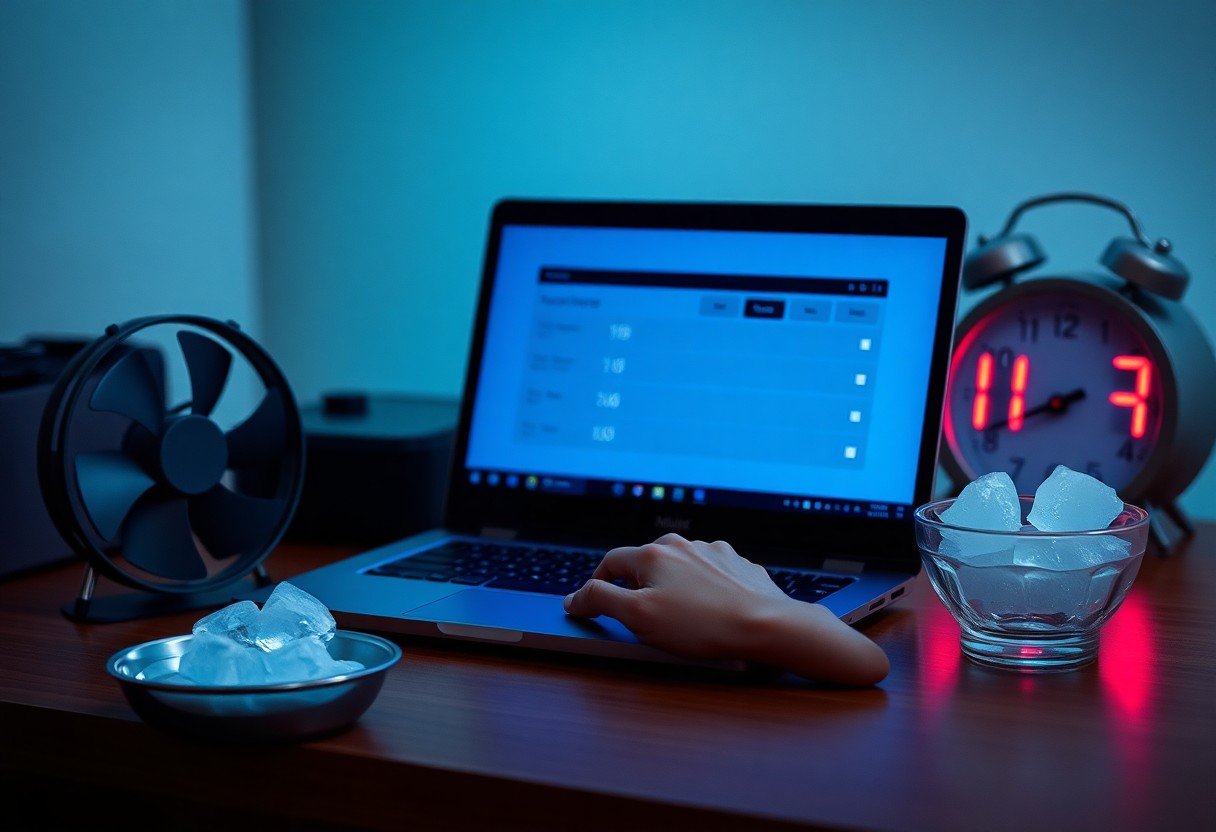
Switching to the Power Saver plan can significantly reduce the heat your laptop generates. By limiting the maximum processor state and dimming your screen, this setting helps conserve energy and keeps your device cooler. You can find this option in the Control Panel under Power Options.
Limit Performance Mode
Setting your laptop to a performance mode that prioritizes energy efficiency over speed can alleviate overheating issues. This adjustment helps maintain lower temperatures while still allowing you to complete basic tasks.
When you limit performance mode, your laptop will operate at reduced CPU speeds, which decreases heat production. This is particularly effective if you only need to perform light tasks, such as browsing or word processing. Adjusting this setting can enhance the overall longevity of your device while ensuring it runs more efficiently, providing you with a stable and cooler working environment.
Upgrade Hardware
Add More RAM
Increasing your laptop’s RAM can significantly enhance its performance, allowing it to handle multiple tasks efficiently. If your laptop is running slow or struggling with demanding applications, upgrading to at least 8GB of RAM can reduce overheating by minimizing the strain on your processor.
Switch to SSD
Upgrading from a traditional hard drive to a solid-state drive (SSD) can dramatically improve your laptop’s speed and stability. An SSD not only operates quieter and faster but also generates less heat, which is beneficial for your laptop’s overall thermal management.
Switching to an SSD can be one of the most effective upgrades for your laptop. SSDs access data much faster than traditional hard drives, which means your device won’t work as hard to retrieve information. This reduced workload translates to lower temperatures, enhancing the laptop’s lifespan and performance. Additionally, a cooler laptop reduces the risk of thermal throttling, ensuring your system runs smoothly even during intensive tasks.
Monitor Temperature
Monitoring your laptop’s temperature is necessary for preventing overheating and maintaining optimal performance. By keeping an eye on the heat levels, you can identify dangerous spikes and take corrective measures before any damage occurs.
| Method | Description |
|---|---|
| Temperature Software | Utilize tools that provide real-time temperature readings of your laptop’s components. |
| Check Regular Intervals | Establish a routine to monitor temperatures frequently to catch issues early. |
Use Temperature Software
To effectively monitor your laptop’s temperature, you should use reliable temperature software. Programs like HWMonitor or Core Temp offer detailed insights into your system’s heat levels. These tools not only display current temperatures but also log history, allowing you to view trends over time. This information can help you make informed decisions about cooling measures.
| Software | Features |
|---|---|
| HWMonitor | Real-time monitoring, logs historical data, easy to use. |
| Core Temp | Focuses on CPU temperature, customizable notifications. |
Check Regular Intervals
It’s important to check your laptop’s temperature at regular intervals to ensure it operates within safe limits. Frequent monitoring allows you to detect any sudden increases in temperature that may indicate a problem, such as dust buildup or hardware failure. Establishing a routine can help you catch issues early, preventing potential damage and extending your laptop’s lifespan.
Set specific times during the day or week to check the temperature, especially after intensive tasks like gaming or video editing. By being proactive, you can optimize your cooling measures and avoid damage caused by overheating. Regular checks contribute to better overall performance and reliability of your laptop.
Keep Laptop on Flat Surface
Keeping your laptop on a flat surface is vital for optimal performance and cooling. When you use your laptop on uneven or soft surfaces, the airflow is restricted, leading to increased temperatures and potential overheating. A flat, hard surface allows the internal fans to operate efficiently and dissipate heat effectively.
Avoid Soft Materials
Using soft materials like beds, couches, or blankets can block the laptop’s vents, trapping heat. This restriction can cause your device to overheat quickly. Always choose a hard surface that supports proper ventilation for your laptop.
Promote Heat Dissipation
To ensure your laptop stays cool, it’s important to promote heat dissipation by placing it on a hard, level surface. This allows the fans to pull in cooler air and push out hot air efficiently. You can use a laptop cooling pad, which elevates your device and enhances airflow around it, providing a better thermal environment.
When you elevate your laptop, you create additional space for airflow, which is vital for maintaining lower temperatures. Avoid placing it on your lap or soft cushions as this blocks air circulation. A cooling pad not only improves heat dissipation but also can lower your laptop’s operating temperature significantly, enhancing performance and prolonging its lifespan. Addressing these heat issues promptly will prevent potential damage to internal components and keep your device running smoothly.
Disable Unnecessary Startup Programs
Open Task Manager
To manage your startup programs, press Ctrl + Shift + Esc to open Task Manager. Navigate to the Startup tab, where you will see a list of applications that launch when your laptop starts. This is where you can identify which programs consume system resources unnecessarily.
Turn Off Extras
Evaluate the list of startup applications and disable any programs you don’t use regularly. Right-click on the application and select Disable. This action will help free up your laptop’s memory and processing power, allowing it to operate more efficiently.
By turning off extras, you minimize the strain on your system when booting up. Many applications run background processes that may not be needed immediately, contributing to overheating issues. Focus on disabling programs like cloud services, messaging apps, or any third-party software that does not need to run at startup. This simple step can significantly enhance your laptop’s performance and reduce the risk of overheating during use.
Use Laptop Less
Limit Intensive Tasks
You should limit intensive tasks like gaming, video editing, or running multiple applications simultaneously. These tasks put a significant load on your laptop’s CPU and GPU, generating excess heat. By reducing such activities, you can help maintain a stable temperature and prolong your device’s lifespan.
Take Breaks Regularly
Taking breaks regularly allows your laptop to cool down and prevents overheating. Continuous use can increase your device’s internal temperature, leading to performance issues. By stepping away for a few minutes, you give both your laptop and yourself a necessary rest.
Use the Pomodoro Technique or set a timer to remind you to take a break every 25-30 minutes. During these breaks, close your laptop or enter sleep mode to let it cool. Avoid tasks that require high processing power right after a break. This practice not only protects your device but also enhances your focus and productivity during work sessions. Overheating can lead to serious hardware damage, making it necessary to manage usage effectively.
Keep Room Temperature Cool
| Tip | Description |
| Use Fans or AC | Utilize ceiling fans or air conditioning to lower the room temperature. |
| Ventilate Space | Open windows and doors to allow fresh air circulation. |
Use Fans or AC
Using fans or air conditioning can significantly reduce the room’s temperature, which helps your laptop run cooler. Set your AC at a comfortable level or direct your fan towards your laptop to dissipate heat. Keeping the environment cool aids in maximizing your laptop’s performance.
Ventilate Space
Ventilating your space is imperative for maintaining a comfortable temperature. By allowing fresh air to circulate, you can diminish heat buildup around your laptop. Open windows and doors when possible to create a cross-breeze, preventing the heat from getting trapped inside.
Additionally, consider using exhaust fans if available, as they help expel hot air out of the room. This improves airflow and creates a more favorable environment for your laptop. Avoid using your laptop in enclosed spaces where airflow is restricted, as this can lead to overheating. Ensuring proper ventilation not only enhances your comfort but also extends the life of your device.
Check for Malware
Run Antivirus Scan
To identify potential malware causing overheating, run a comprehensive antivirus scan on your laptop. This process helps detect and eliminate malicious programs that can overwork your system, leading to increased temperatures. Ensure your antivirus software is up to date for the most effective results.
Remove Harmful Software
After the scan, you may find harmful software needing removal. Uninstall any applications that are unnecessary or those you don’t recognize. These programs can consume valuable system resources and contribute significantly to overheating issues.
Focus on removing any suspicious programs that may have been installed without your consent. Check your system’s list of installed applications and delete anything associated with adware, bloatware, or untrusted sources. It’s also wise to change your passwords and enable safeguards, as such software can often come bundled with threats that compromise your security and performance.
Modify BIOS Settings
Adjust Fan Control
Accessing your BIOS settings allows you to adjust the fan control parameters of your laptop. By setting a higher fan speed or enabling automatic fan control, you can improve your device’s cooling efficiency. This adjustment helps manage heat levels, ensuring your laptop runs optimally during demanding tasks.
Update BIOS Firmware
Updating your BIOS firmware can enhance your laptop’s performance and stability, particularly in managing heat. This update may provide improved fan control features and other thermal management settings that directly affect overheating issues. Always check the manufacturer’s website for the latest version and detailed instructions before proceeding.
When you decide to update your BIOS firmware, take care to follow the manufacturer’s guidelines meticulously. Flashing the BIOS incorrectly can lead to significant issues, including rendering your laptop unusable. Ensure your laptop is fully charged and connected to power, and back up any important data as a precaution. A successful update can optimize your hardware’s performance, allowing for better thermal management and potentially reducing overheating incidents.
Use Proper Storage
Avoid Long Exposure
Avoid leaving your laptop exposed to direct sunlight or high temperatures for extended periods. Heat can cause serious damage to your laptop’s internal components, leading to overheating issues. Keep an eye on your device if it’s running hot, and don’t let it sit in a warm environment for too long.
Store in a Cool Place
When not in use, you should store your laptop in a cool and dry environment. High temperatures can elevate the risk of overheating, causing long-term damage. A well-ventilated area helps maintain optimal performance and extends your laptop’s lifespan.
For the best results, keep your laptop in a room with temperature control, ideally between 50°F (10°C) and 85°F (29°C). Avoid areas near heaters, radiators, or windows that receive direct sunlight. You also want to ensure that your laptop is not confined in a packed space, as this could trap heat. Providing adequate airflow and avoiding moisture will significantly reduce the chances of overheating.
Create Laptop Stand
Use Books or Risers
You can easily create a laptop stand using items around your home. Stack a few sturdy books or risers to elevate your laptop, ensuring that the fan vents are not obstructed. This simple setup not only helps with ergonomics but also enhances airflow around your device, keeping it cooler during use.
Promote Better Airflow
Improving airflow is vital for maintaining your laptop’s temperature. Position your laptop on a flat, hard surface rather than soft materials like beds or couches, which can trap heat. Keeping the area around your laptop clear of clutter will also aid in circulating cool air while expelling warm air, optimizing your laptop’s performance.
To promote better airflow, consider using a laptop stand that allows air to circulate freely beneath your device. Ensure that the vents are not blocked by dust or obstructions, as this can lead to overheating and potential damage over time. Keeping the laptop in a well-ventilated area, away from direct sunlight, is also beneficial. Regularly cleaning your laptop’s fan and vents helps maintain efficient airflow, significantly reducing the chances of overheating.
Clean Keyboard and Screen
Wipe with Microfiber Cloth
To effectively clean your laptop’s screen and keyboard, use a microfiber cloth dampened with a suitable cleaning solution. This cloth will safely lift dirt and smudges without scratching surfaces. Wiping in gentle, circular motions helps maintain clarity and shine, ensuring your device looks its best.
Remove Debris
Keeping your laptop clean involves regularly removing debris from the keyboard and screen. You may be surprised how much dust and crumbs can accumulate, so take a moment to check for foreign particles that can interfere with your device’s performance.
Use a soft brush or compressed air to carefully dislodge debris trapped between keys and crevices of the screen. This buildup can create overheating by blocking ventilation and impacting airflow. Ensure that you tilt your laptop slightly to let particles fall away easily. Always ensure your laptop is turned off and disconnected from power to avoid accidental damage.
Restart Laptop Regularly
Restarting your laptop regularly can help prevent overheating by closing unnecessary applications and freeing up system resources. This simple action can improve performance, leading to lower operating temperatures and a more efficient machine.
Clear Memory Leaks
Memory leaks occur when applications fail to release memory after use, consuming your laptop’s resources over time. By regularly restarting your system, you can clear these leaks and improve overall performance, reducing the risk of overheating.
Refresh System
Refreshing your system allows all processes and applications to restart, which can lead to improved stability and performance. This action not only clears temporary files but also reduces the load on your CPU and RAM, aiding in heat management.
To refresh your system, navigate to the Start menu and select the restart option instead of shutting down. This ensures that all components are reset effectively. A fresh start can eliminate background tasks that may be consuming resources and generating excess heat. Consistently doing this can significantly enhance your laptop’s longevity and performance.
Avoid using on bed
Using your laptop on a bed can significantly contribute to overheating issues. Soft surfaces like blankets and bedding restrict airflow, leading to excessive heat accumulation. To keep your device functioning optimally, consider alternative surfaces that promote heat dissipation.
Prevent blockage
Ensure that your laptop is not obstructed by soft materials like pillows or blankets that can block vents. Keeping these areas clear is vital for preventing overheating and maintaining performance. Regularly check your setup to avoid any potential blockages that could hinder airflow.
Encourage airflow
Encouraging airflow around your laptop is vital for maintaining optimal operating temperatures. Using a hard, flat surface allows for better ventilation. Additionally, consider investing in a laptop cooling pad that can enhance airflow, providing an effective solution to combat overheating.
Moreover, positioning your laptop on a raised surface can significantly improve airflow. Ensure the device is elevated to allow heat to escape and prevent heat buildup. Regularly cleaning air vents and using compressed air to remove dust can also enhance ventilation, further safeguarding your laptop from overheating. With these measures, you can effectively manage heat and improve your laptop’s performance.
Conclusion
Upon reflecting, effectively addressing laptop overheating at home can be accomplished in just ten minutes. You can improve airflow by cleaning vents, elevate your laptop to enhance ventilation, and remove dust from internal components. Additionally, using a cooling pad or ensuring your software is up to date can further mitigate heat issues. By implementing these simple yet effective strategies, you can protect your device and ensure optimal performance without needing professional help.
FAQ
Q: What are the common causes of laptop overheating?
A: Common causes include blocked vents, dust buildup, running resource-heavy applications, malfunctioning fans, and high ambient temperatures.
Q: How can I quickly cool down my laptop?
A: To cool down your laptop quickly, turn it off, unplug it, and place it on a hard, flat surface to improve airflow. You can also use a cooling pad.
Q: What preventive measures can I take to avoid overheating in the future?
A: Regularly clean the vents and fans, ensure the laptop is on a hard surface, limit resource-intensive applications, and maintain a cool environment.
Q: Is it safe to use compressed air to clean the laptop’s vents?
A: Yes, using compressed air is safe and effective for blowing out dust and debris from the vents and fans, helping to improve airflow.
Q: When should I consider seeking professional help for overheating issues?
A: If overheating persists despite taking preventive measures, or if you notice unusual noises or performance issues, seek professional assistance.