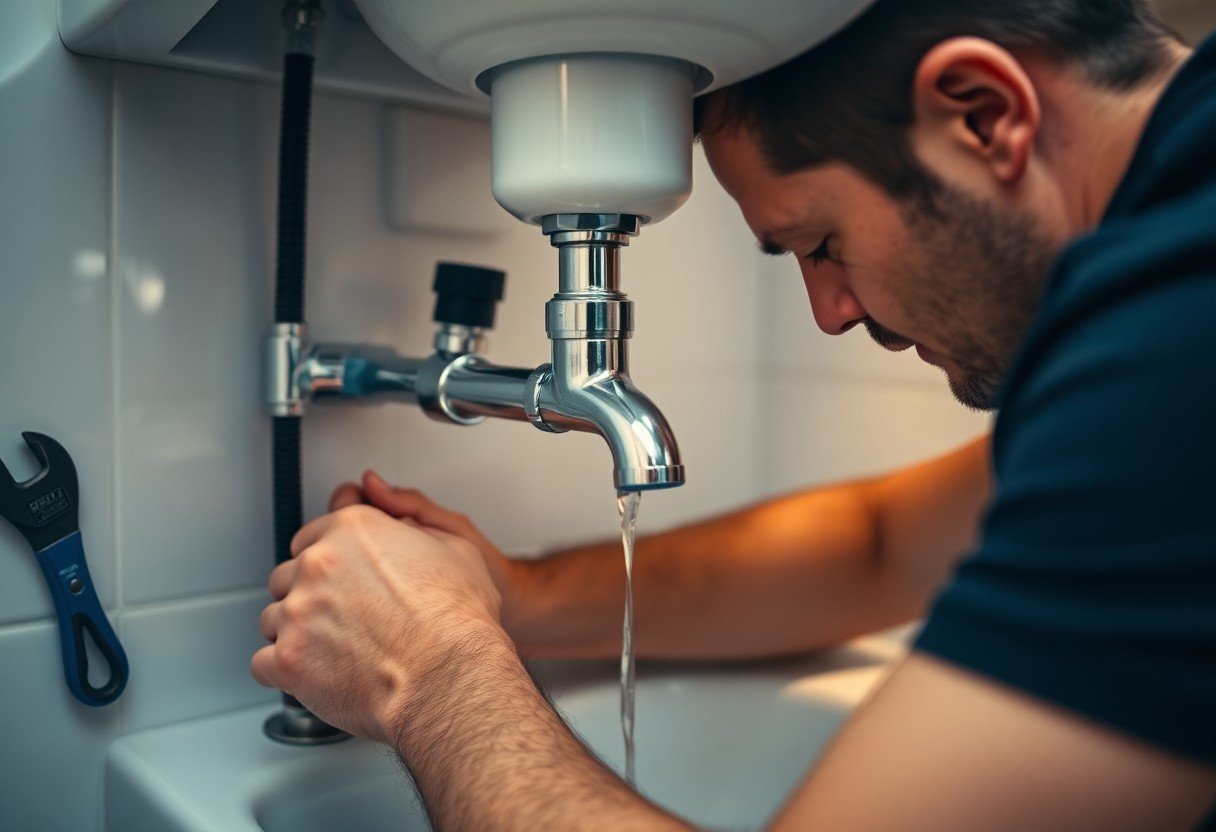
Prevention of plumbing leaks is necessary for maintaining your home’s integrity and saving money. By following some simple practices, you can protect your property from extensive water damage and costly repairs. Regularly inspect your pipes for signs of wear and tear, seal any visible cracks, and maintain proper water pressure to minimize leak risks. Investing a bit of time into these preventive measures will help ensure the longevity of your plumbing system and keep your home safe and dry.
Key Takeaways:
- Regularly inspect pipes and fittings for signs of wear and leaks.
- Ensure that all water connections are tightly sealed and secure.
- Maintain proper insulation on pipes to prevent freezing and cracking.
Understanding Common Plumbing Leaks
Plumbing leaks are frequent issues that can lead to significant water damage if not addressed promptly. They typically occur from wear and tear, poor installation, or external factors affecting your plumbing system. Identifying these leaks early can save you money on repairs and conserve water, which is vital for environmental protection. Recognizing the most common signs is the first step in taking preventive action.
Types of Plumbing Leaks
- Pipe leaks: Often found in joints or worn-out sections.
- Fixture leaks: Common in faucets and toilets.
- Slab leaks: Occur beneath concrete floors and can be difficult to detect.
- Drain leaks: Typically visible around sinks and tubs.
- Water heater leaks: Can result from corrosion or faulty fittings.
After identifying the types of leaks, you can take appropriate steps to mitigate their effects.
| Leak Type | Description |
| Pipe leaks | Leaks due to rotational wear and pressure. |
| Fixture leaks | Common in sinks, faucets, and toilets. |
| Slab leaks | Below concrete floors, often hidden until severe. |
| Drain leaks | Most noticeable around sinks or bathtubs. |
| Water heater leaks | Leakage stemming from valves or tanks. |
Common Causes of Leaks
Understanding the common causes of plumbing leaks can help you take proactive measures. Factors like pressure surges, aging pipes, and moisture build-up contribute significantly to leak formation. Improper installation of fixtures and fittings also leads to leaks, particularly in older homes where systems may not meet current standards. Soil movement or extreme weather can further exacerbate these issues, causing pipes to crack or shift.
For example, older galvanized steel or copper pipes can corrode, leading to pinhole leaks, which can create water damage unnoticed for long periods. In high water pressure situations, joints may fail, resulting in sudden leaks. Regular maintenance checks on your plumbing system can identify these issues early, preventing costly repairs down the road.
Regular Maintenance Practices
Implementing regular maintenance practices can significantly reduce the likelihood of plumbing leaks. Routine checks on your plumbing system—including pipes, faucets, and toilets—help you catch small issues before they escalate into major problems. A proactive approach can save you from costly repairs and extend the lifespan of your plumbing fixtures, ensuring everything operates optimally.
Inspections and Assessments
Conducting thorough inspections and assessments of your plumbing system is imperative in spotting potential leaks early. Look for signs such as damp spots, water stains, or corrosion on pipes. By regularly assessing your fixtures, you can identify weaknesses and address them promptly, potentially saving you hundreds of dollars in repairs down the line.
Importance of Professional Assistance
While DIY inspections are valuable, enlisting professional assistance brings a wealth of expertise that can’t be overlooked. Professionals possess the skills and tools necessary to detect hidden leaks and assess your plumbing system’s overall health accurately. Their training allows them to analyze potential problem areas more thoroughly than the average homeowner, providing peace of mind.
Professional plumbers can conduct advanced diagnostics, including video pipe inspection, enabling them to identify issues within walls or underground. Their expertise also extends to recognizing when seemingly minor problems could lead to more significant issues if left unaddressed. With industry knowledge, professionals can offer tailored solutions and preventive measures that align with your specific plumbing needs, ensuring your system remains leak-free for years to come.
DIY Leak Prevention Techniques
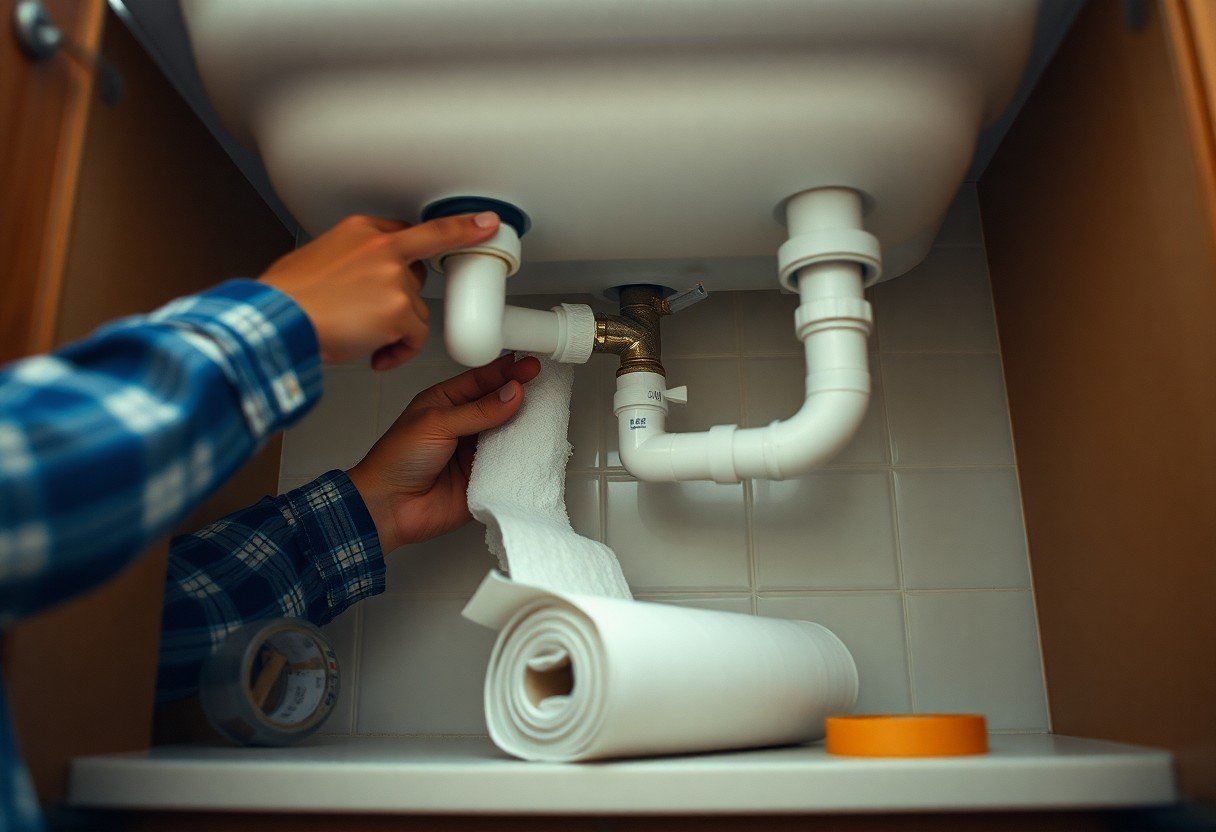
To effectively mitigate the risk of plumbing leaks, implementing DIY leak prevention techniques can be beneficial. Regularly inspecting your plumbing system, utilizing appropriate sealants, and ensuring proper insulation of pipes are key strategies you can adopt. These actions not only help in preventing leaks but also extend the lifespan of your plumbing infrastructure, saving you from costly repairs down the line.
Sealing Joints and Connections
Checking and sealing joints and connections can significantly reduce the likelihood of leaks. Use high-quality plumbing tape or joint sealants to tightly secure threaded connections and avoid water seepage. A good practice is to periodically inspect accessible joints for any signs of wear or moisture, allowing you to address potential issues before they escalate.
Insulating Pipes
Insulating pipes is crucial, especially in colder climates where freezing temperatures can lead to cracks and breaks. Wrap pipes in insulated sleeves or use foam pipe insulation to maintain a consistent temperature, preventing condensation and ice formation. This simple step can save you from extensive flooding and damage caused by burst pipes.
When insulating your pipes, ensure that you cover both hot and cold lines throughout your home. This can be particularly effective in areas prone to temperature fluctuations, such as basements and attics. Insulation can reduce heat loss by as much as 80%, which not only helps prevent leaks but also improves your home’s energy efficiency. Additionally, it protects your pipes from potential freezing, allowing for a smoother flow and reducing the risk of future leaks. Proper insulation is a proactive measure that can save you significant costs and headaches.
Water Pressure Management
Managing water pressure in your plumbing system is vital to prevent leaks and maintain the integrity of your pipes. High water pressure can lead to undue stress on your plumbing fixtures and connections, resulting in leaks or even bursts. Aim for a water pressure range of 40-60 psi, as levels above this can wreak havoc on your system, increasing the likelihood of wear and tear.
Understanding Water Pressure
Water pressure is measured in pounds per square inch (psi) and dictates how water flows through your pipes. When pressure is too high, it places excessive stress on joints and valves, increasing the risk of leaks. Familiarize yourself with your home’s current pressure levels to ensure they remain within a safe range.
Installing Pressure Relief Valves
Installing pressure relief valves is an effective way to regulate high water pressure and protect your plumbing system. These valves automatically release excess pressure, helping to prevent damage to pipes and appliances. You can find various types of pressure relief valves, ranging from simple manual ones to more advanced, automatic models.
When choosing to install a pressure relief valve, consider opting for models that feature adjustable settings. This flexibility allows you to set your desired pressure threshold, ensuring your plumbing system operates efficiently. It’s suggested to install the valve near the main water supply line for maximum effectiveness. Depending on your plumbing configuration, consulting with a professional can ensure proper installation and optimal performance, thus safeguarding your home from potential leaks due to pressure issues.
Quick Fixes for Minor Leaks
If you notice a minor leak, addressing it promptly can save you from extensive damage. Simple fixes such as tightening loose connections or applying plumber’s tape on joints may provide immediate relief. In cases of small valve leaks, you can often resolve the issue by replacing the washer or O-ring, which can be bought at any hardware store. These straightforward methods can halt the flow of water, buy you time, and reduce your water bill.
Temporary Solutions
For a quick fix, consider using duct tape or a rubber patch around the leaky area. These temporary solutions can stem the flow until a more permanent repair can be made. If a pipe is leaking, wrapping it with a cloth and securing it tightly with tape can minimize water damage in the short term. Keep in mind that these are not long-term solutions but effective measures to prevent further leaks.
When to Call a Plumber
If your attempts at a quick fix fail or if the leak worsens, it’s time to call a plumber. Address more serious leaks immediately, especially if they affect structural elements of your home or the water supply. Over time, minor leaks can cause major issues like mold growth or extensive water damage, leading to costly repairs and health risks.
Signs that you should seek professional help include persistent dripping noises, water stains on walls or ceilings, or if the leak is located in an inaccessible area. If your water bill spikes unexpectedly, this may also indicate a hidden leak that requires a professional’s expertise to locate and repair. A licensed plumber can diagnose the issue more accurately and implement a lasting solution, protecting your home from further damage.
Long-Term Solutions for Leak Prevention
Investing in long-term solutions can significantly reduce the likelihood of plumbing leaks in your home. By focusing on quality materials and proactive maintenance strategies, you can enhance the durability of your plumbing system. Regular inspections and professional assessments will help identify potential weak points before they lead to costly repairs, ensuring peace of mind and a secure home environment.
Upgrading Plumbing Fixtures
Upgrading your plumbing fixtures to modern, high-quality options can minimize leak risks. Older fixtures often corrode or wear out, making them susceptible to leaks. By installing reliable, new faucets, toilets, and hoses, you can ensure a tighter seal and better protection against leaks.
Implementing Water-Saving Devices
Incorporating water-saving devices not only contributes to leak prevention but also promotes sustainability. Devices such as low-flow showerheads and faucet aerators decrease water flow while maintaining pressure, which helps reduce the chances of leaks caused by excess water pressure. By choosing these efficient alternatives, you can save on utility bills while safeguarding your home.
Moreover, installing dual-flush toilets and smart irrigation systems can significantly mitigate leak risks over time. For instance, dual-flush toilets allow you to choose between a full flush and a reduced flush, significantly decreasing the risk of leaks associated with traditional setups. Smart irrigation systems adjust to weather conditions, preventing over-watering and subsequent leaks. These upgrades showcase a commitment to both efficiency and long-term plumbing health.
Conclusion
Considering all points, adopting simple preventive measures can significantly reduce the risk of common plumbing leaks in your home. Regularly check for signs of wear on pipes and fixtures, maintain proper temperatures in your water heater, and ensure proper insulation during colder months. Additionally, know the location of your main water shut-off valve to limit damage should a leak occur. By implementing these easy strategies, you can protect your property and save money on unexpected repairs.
FAQ
Q: What are some early signs of plumbing leaks?
A: Early signs include unexplained water stains on walls or ceilings, damp spots, an increase in water bills, and the sound of running water when no fixtures are in use.
Q: How can I check for leaks in my home?
A: You can check for leaks by inspecting visible pipes for moisture, examining water meter readings before and after a two-hour period without water usage, and looking under sinks for puddles or corrosion.
Q: What maintenance can I do to prevent leaks?
A: Regular maintenance includes tightening loose fittings, replacing worn-out washers and gaskets, insulating pipes to prevent freezing, and ensuring proper drainage around the property.
Q: How can installing water leak detectors help?
A: Water leak detectors can alert you to leaks early by sounding an alarm or sending notifications to your phone, allowing for prompt action to minimize damage.
Q: What are the best practices for winterizing plumbing?
A: Best practices include draining outdoor hoses, insulating exposed pipes, sealing cracks around windows and doors, and keeping the home at a consistent temperature to prevent freezing.