
With professional interior design services, you can transform your living area into a space that reflects your style while enhancing functionality and comfort. Expert designers understand how to optimize layout, color schemes, and furnishings to create an atmosphere that promotes well-being. Investing in these services not only elevates the overall aesthetic but also ensures your space is tailored to your specific needs, making your home more enjoyable and efficient. Experience the positive impact of a thoughtfully designed environment and elevate your daily living.
Key Takeaways:
- Interior design services enhance functionality by optimizing space and creating a more organized layout.
- Professional designers incorporate aesthetic appeal through color schemes, textures, and furnishings that reflect personal style.
- Expert guidance helps in making informed choices, ultimately increasing property value and improving overall well-being.
Understanding Interior Design Services
Interior design services encompass a range of professional skills that optimize spaces for beauty and functionality. By collaborating with experts, you can leverage their knowledge in color theory, spatial planning, and material selection to create an environment that reflects your personality while enhancing practicality. This comprehensive approach not only results in a visually appealing design but also ensures that your living area meets your needs and lifestyle.
Definition and Scope
Interior design services cover the entire process of designing indoor spaces, which includes conceptual development, space planning, and the selection of furnishings, materials, and color schemes. These services range from consulting on décor choices to managing large-scale renovations, ensuring that the end result aligns with your vision and functional requirements.
Benefits of Professional Design
Engaging a professional designer provides you with expert insights that elevate your space. Their specialized knowledge leads to more efficient use of your living area, greater aesthetic appeal, and increased property value. Additionally, professionals often have access to resources and materials not readily available to the general public, ensuring a unique and tailored outcome.
Investing in professional design can significantly impact your living area. For example, studies show that well-designed spaces can enhance mood and productivity, with environments tailored for comfort promoting relaxation and well-being. Designers can identify potential pitfalls in layout and efficiency that you might overlook, steering you away from costly mistakes. Involving a professional not only saves you time but also helps in achieving a coherent style that resonates with your personal taste while potentially boosting your home’s resale value by up to 15%. This combination of expertise and design acumen can transform your living experience dramatically.
Assessing Your Living Area Needs
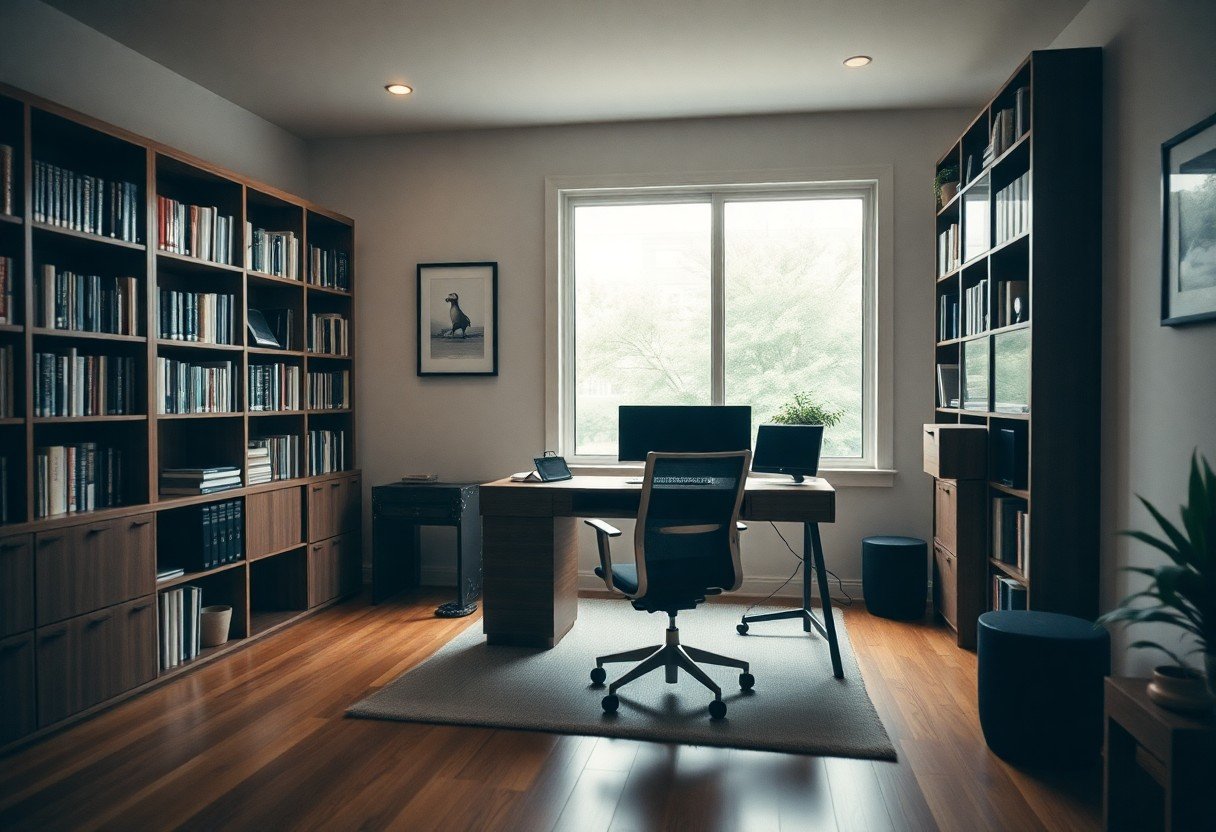
To initiate on a successful design project, you must first assess your living area needs. This involves evaluating your lifestyle, preferences, and any specific requirements you have, such as accommodating children, pets, or frequent guests. Understanding your needs ensures that the design not only looks appealing but also serves its intended purpose effectively and efficiently.
Identifying Personal Style
Identifying your personal style is key to creating a living area that reflects who you are. Consider your favorite colors, textures, and design elements that resonate with you. Whether you lean towards contemporary minimalism, rustic charm, or eclectic tastes, establishing a clear style direction sets the foundation for cohesive design choices.
Evaluating Space and Functionality
Evaluating space and functionality helps pinpoint how effectively you utilize your living area. Take note of the size, layout, and flow of the room, as well as how each space serves its designated purpose. This assessment will guide you toward enhancements that optimize both the aesthetics and usability of your space.
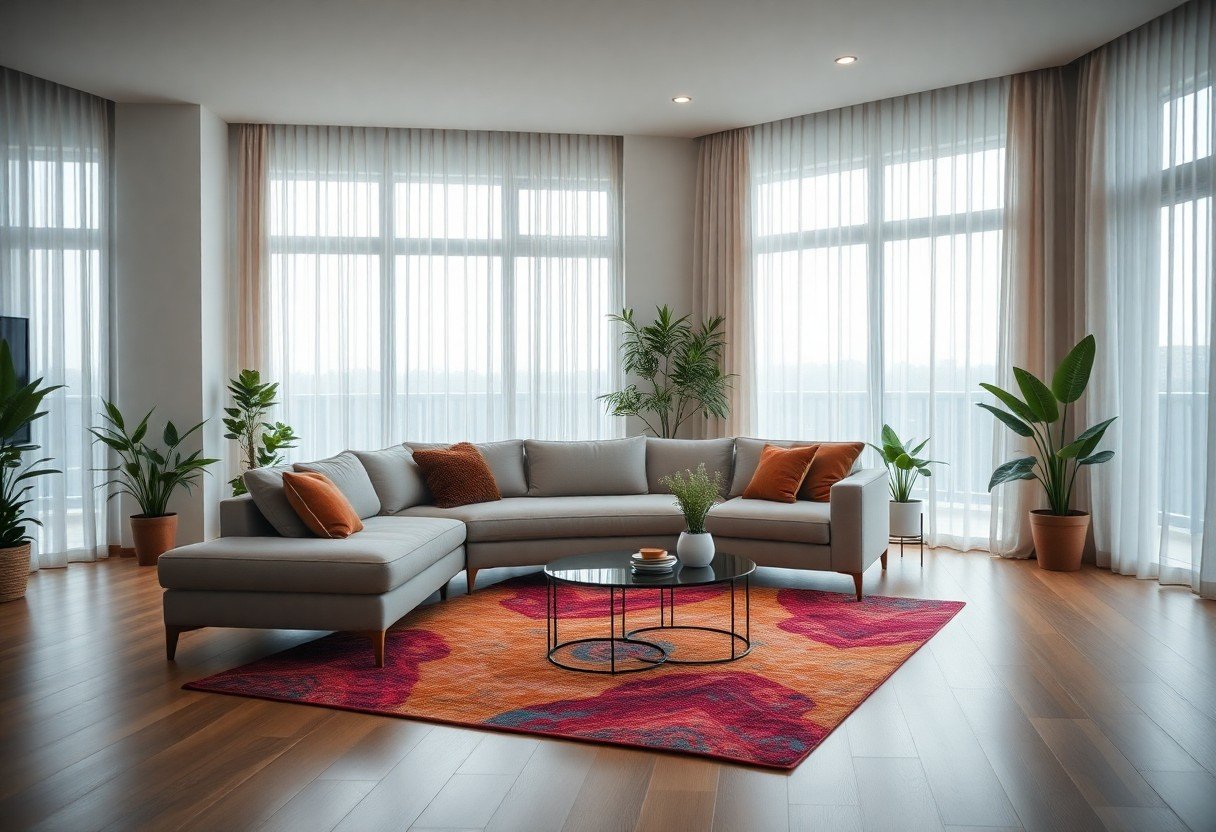
When evaluating space and functionality, consider aspects such as the arrangement of furniture, available natural light, and pathways for movement. For example, an open floor plan may require defined zones for different activities, like lounging and dining. Implementing multifunctional furniture, such as a storage ottoman or a convertible sofa, can maximize your space. Additionally, ensuring that pathways are clear enables easy access throughout the area, contributing to a comfortable living experience.
The Process of Interior Design
Initial Consultation
The first step in the interior design process is the initial consultation, where you meet with a designer to discuss your vision. This meeting helps you articulate your preferences, budget, and functional needs. Your designer will ask targeted questions to analyze your lifestyle and how you use your space, ensuring that the design aligns with your daily routines and personal style. Through this dialogue, you form the foundation of a collaborative relationship that drives the project’s success.
Planning and Execution
After the initial consultation, the planning and execution phase begins, transforming your ideas into actionable steps. Your designer will create a comprehensive plan that includes floor layouts, color schemes, and material selections tailored to your preferences and lifestyle. They will also create a timeline and budget to keep the project on track. Clear communication between you and the designer is vital during this stage to ensure that all details reflect your vision before moving into the execution phase.
In the planning and execution stage, the designer often presents visual aids like mood boards and 3D renderings to help you visualize the final outcome. Detailed diagrams will outline furniture arrangements and spatial flow, ensuring that every element serves both aesthetic and functional purposes. Should adjustments be necessary, this phase allows flexibility before implementation starts, minimizing costly revisions later. By thoroughly vetting choices, you can feel confident in the decisions made, paving the way for a seamless renovation process.
The Role of Color and Texture
Color and texture play pivotal roles in shaping your living area’s aesthetic and emotional appeal. By strategically blending different hues and materials, you can create a multidimensional space that reflects your personality and enhances your daily experience.
Impact on Mood and Atmosphere
The colors you choose can dramatically influence your mood and the overall atmosphere of your living area. Warm tones like reds and yellows evoke feelings of comfort and energy, while cool tones such as blues and greens promote calmness and tranquility, helping you to create a space that feels just right for you.
Choosing the Right Palette
Selecting the right color palette is important for expressing your style, with palettes typically categorized into three main types: complementary, analogous, and monochromatic. A well-chosen palette not only harmonizes your space but also enriches your overall living experience.
To effectively choose your palette, begin by identifying your desired mood, then explore colors associated with that feeling. For example, a cozy reading nook might benefit from warm, inviting colors, while a vibrant entertainment area could utilize bold, energetic shades. You might also consider the 60-30-10 rule: allocate 60% of your room to a dominant color, 30% to a secondary color, and 10% to an accent to create balance. By experimenting with swatches and textures, you can fine-tune your choice, ensuring it complements furniture and decor seamlessly, leading to an inviting and visually appealing space.
Furniture and Layout Considerations
Thoughtful furniture selection and layout can drastically transform your living area. It’s crucial to balance aesthetic appeal with practical functionality. Ensure that each piece complements the others and fits within the designated space to enhance both comfort and visual harmony.
Selecting Functional Pieces
When choosing furniture, prioritize pieces that serve multiple purposes. For example, a stylish ottoman can double as storage, while a sofa bed provides seating by day and sleeping space by night. Opt for durable materials that withstand regular use, ensuring longevity without compromising on style.
Optimizing Space Flow
Creating a smooth flow in your living area involves strategically positioning furniture to facilitate movement and interaction. Aim for clear pathways that allow easy navigation, ensuring that pieces are neither too spaced out nor overly congested. This optimal arrangement encourages convenience and social engagement.
Effective flow optimization considers both functionality and aesthetics. Start by identifying the room’s focal points—like a fireplace or a large window—and arrange your furniture around these elements. You might use area rugs to define separate zones, especially in open-concept spaces. The aim is to create a balanced design where each piece assists in maintaining a comfortable yet inviting atmosphere. For instance, in a living room, position seating to promote conversation while keeping sections easily accessible. By maintaining well-defined paths and logical groupings, your living area becomes not only inviting but also practical for daily activities.
Incorporating Accessories and Decor
Incorporating accessories and decor into your living area is crucial for creating a personalized, inviting space. Thoughtfully selected items like art pieces, rugs, and decorative pillows can enhance your interior design by adding texture, color, and personality. Elements such as bookshelves or statement lighting fixtures introduce visual interest and can serve as conversation starters, ensuring your living environment reflects your unique style and taste.
Importance of Personal Touches
Adding personal touches to your decor transforms a generic space into a welcoming home. Incorporating family photos, heirlooms, or souvenirs from travels allows you to tell your story and connect emotionally with your environment. These elements not only evoke memories but also create a sense of belonging and warmth that store-bought items often lack.
Balancing Aesthetics and Function
Striking a balance between aesthetics and function is vital in interior design. While you want your living area to look appealing, it should also cater to your lifestyle and needs. Consider the practical aspects of your decor choices—like selecting durable materials for high-traffic areas or ensuring that furniture is appropriately scaled to the room. Each accessory should serve a purpose, contributing to both the beauty and usability of your space.
To achieve an effective balance, assess how you use your living area day-to-day. For instance, if you entertain often, a stylish coffee table that doubles as storage can keep your space clutter-free while maintaining elegance. Similarly, selecting comfortable seating that complements your design theme ensures functionality without compromising style. Prioritizing both elements allows you to create a harmonious environment where you can relax and entertain effortlessly.
To wrap up
As a reminder, utilizing interior design services can significantly enhance your living area by optimizing space, improving functionality, and elevating aesthetic appeal. You gain access to expert insights that help you make informed decisions tailored to your lifestyle and preferences. This professional guidance enables you to create an environment that reflects your personality while maximizing comfort and efficiency. Ultimately, investing in interior design not only transforms your space but also enriches your daily living experience.
FAQ
Q: How can interior design services enhance the functionality of my living area?
A: Interior design services assess your space to create designs that optimize flow, maximize usable areas, and ensure each element serves a purpose. This tailored approach leads to a more efficient living environment that caters to your daily activities and lifestyle needs.
Q: In what ways can professional interior designers help in achieving a cohesive aesthetic in my home?
A: Professional interior designers curate color palettes, textures, and furnishings that align with your vision. They coordinate styles across different rooms, making sure that each space complements the others, resulting in an attractive and unified aesthetic throughout your home.
Q: What role does interior design play in increasing the value of my property?
A: Effective interior design can significantly enhance the appeal of your living area, making it more attractive to potential buyers. By incorporating modern trends, optimizing space, and using quality materials, interior designers help elevate your property’s overall market value.