
Over time, you may underestimate the impact of floor maintenance on your environment. Neglecting it can lead to slips and falls, posing serious risks to safety. Additionally, well-maintained floors enhance the appeal of your space, reflecting on your professionalism. Regular upkeep not only prolongs the life of your flooring but also saves you money in the long run by preventing costly repairs. By prioritizing maintenance, you ensure a clean, safe, and inviting atmosphere for everyone who enters your space.
Key Takeaways:
- Regular floor maintenance extends the life of flooring materials, reducing replacement costs.
- Well-maintained floors enhance safety by minimizing slip hazards and other risks.
- Attention to floor upkeep improves overall aesthetics, creating a positive impression for visitors and employees.
The Importance of Floor Maintenance
Floor maintenance is crucial for prolonging the life of your flooring and enhancing the overall environment. Regular upkeep not only protects your investment but also prepares your space to handle heavy foot traffic and maintain hygiene. Skipping maintenance can lead to significant degradation, increased costs, and potential safety hazards, making it vital to incorporate a maintenance schedule into your routine.
Aesthetic Appeal
The appearance of your floors directly impacts the impression your space makes on visitors. Clean, well-maintained floors exude professionalism and warmth, while worn or dirty surfaces can detract from your overall aesthetic. Regular maintenance helps preserve the beauty of your flooring materials, ensuring they look their best and reflect positively on your brand.
Safety Considerations
Neglecting floor maintenance can lead to increased accidents and liability issues. Slipping hazards from spills or deteriorating surfaces can result in serious injuries. Regular cleaning, polishing, and repairing minor damages are steps you can take to ensure a safer environment for your customers and employees.
In fact, statistics show that slips and falls account for over 1 million emergency room visits yearly, making floor safety a significant concern. Implementing a routine maintenance program can reduce slip hazards by ensuring that debris, moisture, and other dangers are promptly addressed. Additionally, using appropriate cleaning agents tailored to your flooring type can minimize wear and provide better traction, ultimately contributing to a safer environment. Prioritizing floor maintenance not only enhances safety but also showcases your commitment to care and responsibility within your space.
Economic Benefits of Regular Maintenance
Regular maintenance of your floors goes beyond aesthetics; it directly impacts your finances. By investing in routine care, you can significantly lower unexpected expenses and ensure that your flooring retains its appeal and functionality. These economic advantages often outweigh the initial costs of maintenance, making it a wise choice for property owners.
Cost Savings Over Time
By implementing a consistent maintenance schedule, you can achieve substantial cost savings throughout the lifespan of your flooring. Regular cleaning and timely repairs prevent the accumulation of dirt and damage, which can lead to expensive replacements down the line. For instance, proactive measures can save you up to 30% on replacement costs over ten years.
Increased Property Value
Your property’s value can significantly benefit from well-maintained floors. Buyers are often willing to pay more for a home or business space that appears well-kept. Research indicates that properties with immaculate flooring sell for at least 10% more than those needing repairs or cleaning. This investment in maintenance influences first impressions, setting the stage for overall perceived value.
The importance of increased property value cannot be underestimated. Imagine a potential buyer walking into a space with worn-out or damaged floors; their first impression might deter them from considering your property seriously. On the other hand, clean, well-maintained flooring creates a welcoming atmosphere and reflects the quality of the entire property. A simple act of maintaining your floors can lead to higher offers and a quicker sale. Thus, investing in floor maintenance translates into a long-term financial advantage, making it a savvy strategy for property owners looking to maximize their investment.
Different Types of Flooring and Their Care
Understanding the various flooring types helps you implement effective maintenance strategies. Each type requires specific care to maximize its lifespan and aesthetic appeal. Here’s a quick overview:
- Hardwood: Needs regular cleaning and occasional refinishing.
- Carpet: Requires vacuuming and periodic professional cleaning.
- Tile: Should be cleaned with pH-balanced cleaners and resealed as necessary.
- Vinyl: Generally low-maintenance, needing only sweeping and mopping.
- Laminate: Similar to hardwood, benefits from dusting and avoiding excess water.
Recognizing the specific needs of your flooring will empower you to maintain their integrity effectively.
| Floor Type | Care Tips |
| Hardwood | Regularly clean with a soft broom or vacuum, and apply wood polish. |
| Carpet | Vacuum weekly, and steam clean or shampoo every 12-18 months. |
| Tile | Use a damp mop with a gentle cleaner to avoid damage. |
| Vinyl | Wipe up spills immediately and clean occasionally with mild detergent. |
| Laminate | Dust regularly and avoid soaking with water, as it can warp. |
Hardwood Floors
Hardwood floors require consistent care for longevity. Regular cleaning with a soft broom and a vacuum designed for hardwood is important, as is the periodic application of a wood polish to maintain shine. You need to avoid excessive moisture, which can damage the wood, and consider refinishing every 5 to 10 years based on wear.
Carpet and Rugs
Proper care for carpets and rugs involves frequent vacuuming to remove dirt and allergens. Deep cleaning every 12 to 18 months is vital to prolong their life and maintain a clean indoor environment. You should also treat stains promptly with a suitable cleaner to avoid permanent damage.
Investing in professional cleaning services for your carpets ensures that deep-set dirt and grime are effectively removed, enhancing both appearance and hygiene. Additionally, consider using carpet protectors to minimize wear and tear in high-traffic areas, making maintenance more manageable.
Tile and Vinyl
For tile and vinyl flooring, regular sweeping and mopping are fundamental to keep surfaces pristine. Tile needs occasional resealing to protect grout lines and maintain its integrity. Vinyl, being resilient, typically requires only minimal care, but you must avoid harsh cleaners that can dull the finish.
Proper sealing of tile not only enhances its appearance but also prevents stains and moisture damage. Regular maintenance ensures that both tile and vinyl floors continue to provide a durable, attractive surface with longevity in mind.
Common Floor Maintenance Practices
Implementing consistent floor maintenance practices can significantly enhance the longevity and appearance of your flooring. Regularly scheduled cleaning, inspections, and repairs play a vital role in preserving your investment. Whether your flooring is hardwood, tile, or carpet, adapting your maintenance approach ensures optimal results. Not only does it enhance aesthetic appeal, but it also safeguards against unexpected repair costs.
Cleaning Techniques
You should employ specific cleaning techniques tailored to your floor type for maximum effectiveness. For hardwood, use a soft broom or microfiber mop with a gentle, pH-neutral cleaner to avoid damage. In contrast, tile requires a more robust approach, incorporating steam cleaning or a solution of vinegar and water for grout maintenance. Regular vacuuming or carpet cleaning maintains appearance and hygiene in carpeted areas.
Repair and Restoration
Your flooring can suffer from scratches, stains, or wear over time, making timely repair and restoration important. Addressing issues promptly can prevent further damage and higher costs. For hardwood, you might consider refinishing to restore luster, while carpets could benefit from patching or professional cleaning. Simple maintenance tasks can enhance safety and aesthetics while maximizing your investment.
Repair and restoration involve more than just visible fixes; they require assessing underlying issues that can lead to larger problems. For instance, if you notice warping in your hardwood, it may signal moisture problems that need addressing. Investing in quality materials and expert help can extend the life of your floor. Data shows that regular attention to repairs can reduce total maintenance costs by up to 30%, emphasizing the value of proactive measures. Ultimately, maintaining your floors is not just about looks; it’s about preserving the integrity and safety of your space.
Professional vs. DIY Maintenance
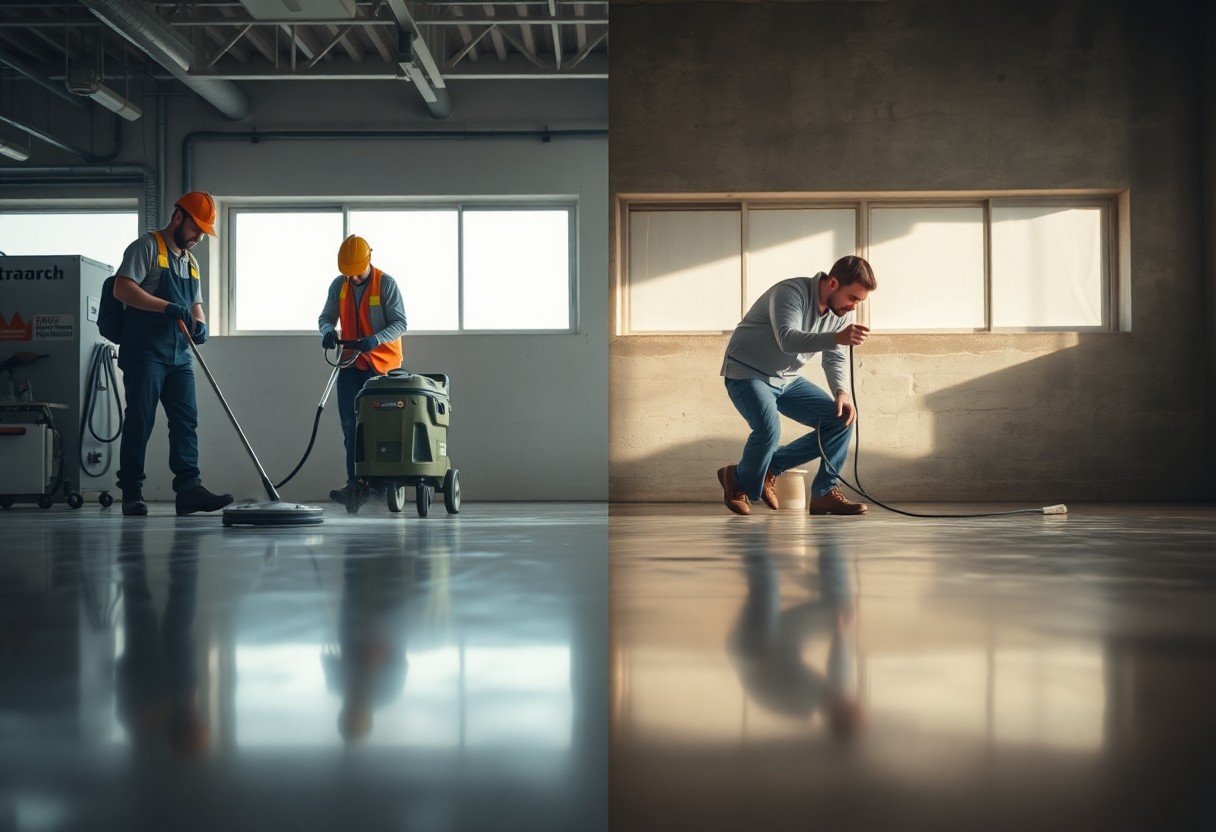
When deciding between professional maintenance and DIY methods, it’s imperative to weigh both options based on your specific needs and circumstances. Professionals bring expertise and specialized tools, ensuring that tough stains or damage are addressed effectively. In contrast, DIY maintenance allows for flexibility and cost savings, enabling you to tackle minor issues as they arise.
When to Hire Professionals
You should consider hiring professionals when faced with significant damage, stubborn stains, or complex maintenance tasks that require specialized equipment. For example, if your floor has deep scratches or if you’re dealing with extensive water damage, a trained technician can restore your flooring effectively, preventing further deterioration and expenses.
Benefits of DIY Care
Embracing DIY care for your floors can lead to significant cost savings and a more personal connection to your living space. Simple tasks such as regular sweeping, mopping, and reapplying sealants can prevent larger issues down the road, allowing you to maintain your flooring’s appearance effortlessly. You can tailor your cleaning methods to suit your specific floor type, ensuring optimal results while using products that align with your preferences.
Not only does DIY care enhance your skills, but it also fosters a sense of pride in maintaining your home. A study revealed that homeowners who regularly invest time in DIY maintenance feel more accomplished and connected to their spaces. Additionally, with various online resources, tutorials, and community forums available, you can easily find guidance and tips for effective floor care, empowering you to tackle tasks confidently. By maintaining your floors yourself, you also develop a deeper understanding of their needs, allowing you to identify potential issues before they escalate.
The Environmental Impact of Floor Maintenance
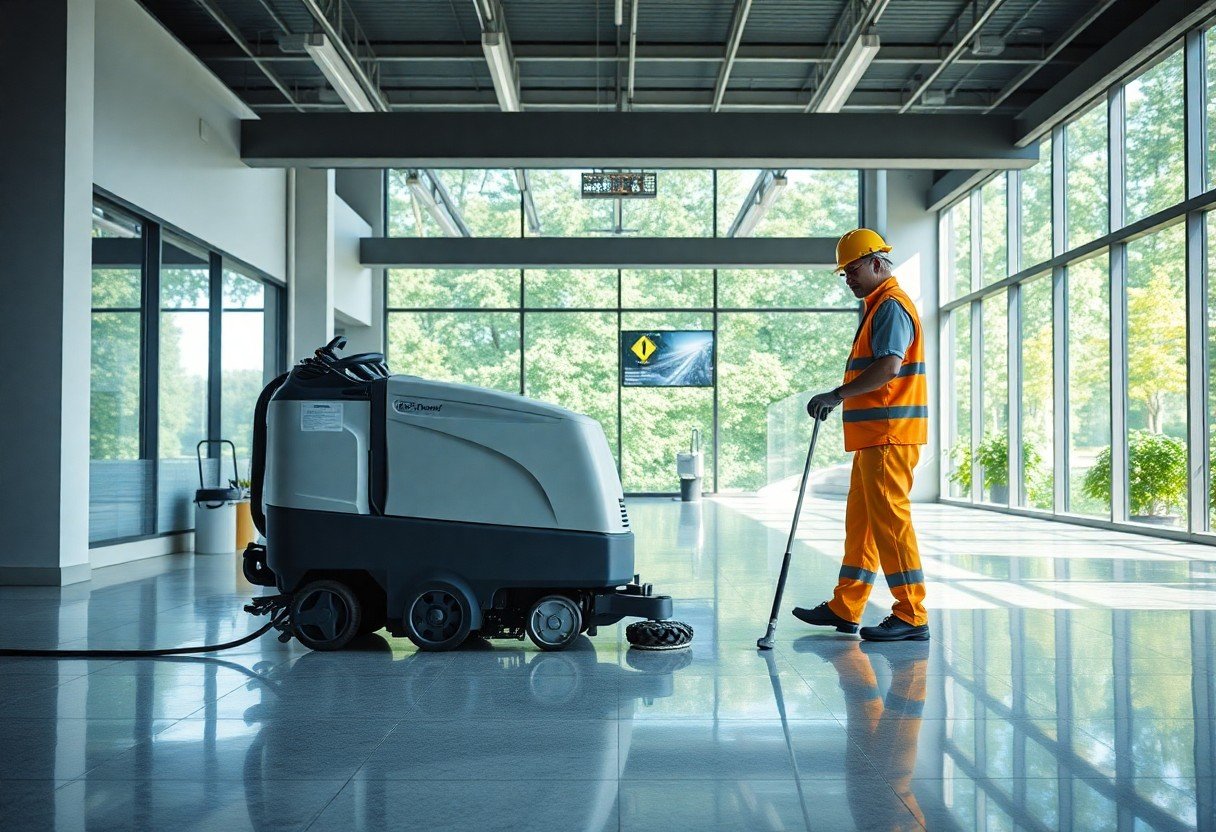
Floor maintenance significantly influences environmental sustainability. Your choices can impact local ecosystems, air quality, and even global climate change. By understanding these effects, you can make informed decisions that not only benefit your floors but also the planet. Frequent maintenance practices create a cycle of consumption; thus, adopting eco-friendly strategies can lead to a healthier environment while extending the life of your flooring.
Sustainable Choices
Selecting sustainable floor cleaning products plays a central role in minimizing your carbon footprint. Look for certifications like Green Seal or EcoLogo, which indicate that products meet rigorous environmental standards. Opting for biodegradable cleaning solutions ensures that you reduce harmful chemical runoff into waterways, supporting biodiversity and healthier ecosystems.
Reducing Waste
Effective floor maintenance strategies can significantly cut down on waste generated from floor care. Regular upkeep reduces the need for frequent replacements, meaning less material ends up in landfills. You can opt for repairs over replacements, utilizing refinishing techniques to restore hardwood floors instead of discarding them.
Implementing a proactive maintenance schedule allows you to catch wear and tear early, directly curbing the potential for extensive damage. For instance, by routinely cleaning and resealing your floors every few years, you can extend their lifespan considerably, often by 10-15 years, compared to neglect. This not only saves costs but also minimizes the environmental impact associated with manufacturing new flooring materials and disposing of old ones, reinforcing the importance of a responsible approach to floor care.
Conclusion
So, floor maintenance matters more than you think because it directly impacts the safety, appearance, and longevity of your surfaces. By investing time and resources into proper upkeep, you protect your investment while enhancing the overall atmosphere of your space. Neglecting your floors can lead to costly repairs and decreased property value. Prioritizing maintenance not only improves accessibility and cleanliness but also promotes a healthier environment for everyone. Make floor care an important part of your routine to ensure lasting benefits.
FAQ
Q: Why is regular floor maintenance important?
A: Regular floor maintenance extends the lifespan of flooring, reduces the risk of damage, and improves safety by preventing slips and falls.
Q: How does floor maintenance impact indoor air quality?
A: Properly maintained floors help to minimize dust, allergens, and pollutants, leading to a healthier indoor environment and better air quality.
Q: What are the cost benefits of floor maintenance?
A: Investing in maintenance can significantly lower repair or replacement costs, as well-maintained floors are less likely to incur major damage over time.
Q: Can floor maintenance affect a business’s image?
A: Yes, clean and well-maintained floors contribute to a positive impression on customers and clients, enhancing the overall aesthetic of a business.
Q: What are some common floor maintenance practices?
A: Common practices include regular sweeping, mopping, deep cleaning, buffing, and applying sealants or wax to protect the floor surface.